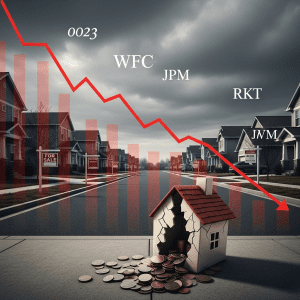







Amid shifting markets and evolving economic trends, foreclosure activity edges higher in Q3 2025 across the United States, signaling renewed volatility in the real estate sector. This uptick carries important implications for real estate professionals, investors, and homeowners seeking to navigate the current environment with strategic insight.
Drivers Behind Why Foreclosure Activity Edges Higher in Q3 2025
The rise in foreclosure filings this quarter can be attributed to a confluence of macroeconomic factors and localized fluctuations. Inflationary pressures, persistent though tempering, have continued to affect household budgets, while variable interest rates destabilized many adjustable-rate mortgage holders. Combined with a cooling labor market in certain regions, these elements contributed to a higher incidence of mortgage delinquencies. According to multiple data providers, both new foreclosure starts and completed repossessions have notably increased compared to this time last year.
The Regional Breakdown: Where Are Foreclosures Surging?
Not all markets are equally exposed as foreclosure activity edges higher in Q3 2025. Sun Belt states—including parts of Texas, Arizona, and Florida—are observing above-average foreclosure rates due to their rapid pandemic-era appreciation and recent inventory corrections. Meanwhile, urban cores in the Northeast have seen a gradual but steady rise driven by declining rental demand and underperformance of multifamily assets. Investors should monitor these regional disparities and analyze local employment statistics and housing supply trends for actionable insights.
What Rising Foreclosures Mean for the Real Estate Market
The uptick in foreclosure activity edges higher in Q3 2025 is already shaping fundamental market dynamics. Increased distressed inventory is moderating price growth in certain segments, presenting both challenges and opportunities. For buyers, particularly those with a keen eye on distressed assets, this period may offer a window to acquire properties below market value—though competition among institutional and cash buyers remains steep. Sellers, on the other hand, are facing longer listing times and greater pricing pressure, especially in oversupplied neighborhoods.
Mortgage Delinquencies: A Closer Look
July and August witnessed elevated levels of 30- and 60-day delinquencies, suggesting more homeowners may enter the foreclosure pipeline in the coming quarters. Lenders are increasingly tightening underwriting criteria, and some have introduced new loss mitigation programs to cushion the impact. Stakeholders with interests in mortgage-backed securities are seeking deeper market analysis relevant to asset stability and long-term yields.
Strategies for Investors as Foreclosure Activity Edges Higher in Q3 2025
Those seeking to capitalize or hedge as foreclosure activity edges higher in Q3 2025 can leverage a range of strategies. First, maintaining robust due diligence—evaluating liens, property conditions, and local legal frameworks—remains critical. Additionally, understanding government relief programs and possible moratoriums in certain jurisdictions can help avoid legal and logistical pitfalls. Savvy investors often find value in collaborating with experienced real estate agents and local property managers to secure and reposition distressed assets. For more comprehensive approaches to portfolio diversification in turbulent times, visit our investment strategy resources.
Implications for Homeowners and Lenders
Homeowners at risk should act quickly—engaging with lenders, exploring forbearance or modification options, and leveraging local advocacy groups for support. Lenders, meanwhile, are balancing regulatory compliance with asset recovery. New lending standards are emerging, and alternative financing models are gaining traction among those seeking to lower portfolio risk. Staying abreast of trends through expert real estate news can help both lenders and borrowers adapt to a shifting landscape.
Looking Ahead: Is a Broader Shift Underway?
As foreclosure activity edges higher in Q3 2025, analysts debate whether this marks the start of a cyclical increase or a temporary spike. While inflation is forecasted to ease slowly and the employment picture remains mixed, prospective policy changes around lending and government intervention could influence the direction and severity of future foreclosure trends. For now, vigilance and adaptability are recommended for all participants in the real estate ecosystem.
In conclusion, the fact that foreclosure activity edges higher in Q3 2025 should serve as a signal for industry watchers to revisit their risk assessments and adjust their investment plays accordingly. Staying informed and proactive will be paramount as conditions continue to evolve into 2026 and beyond.