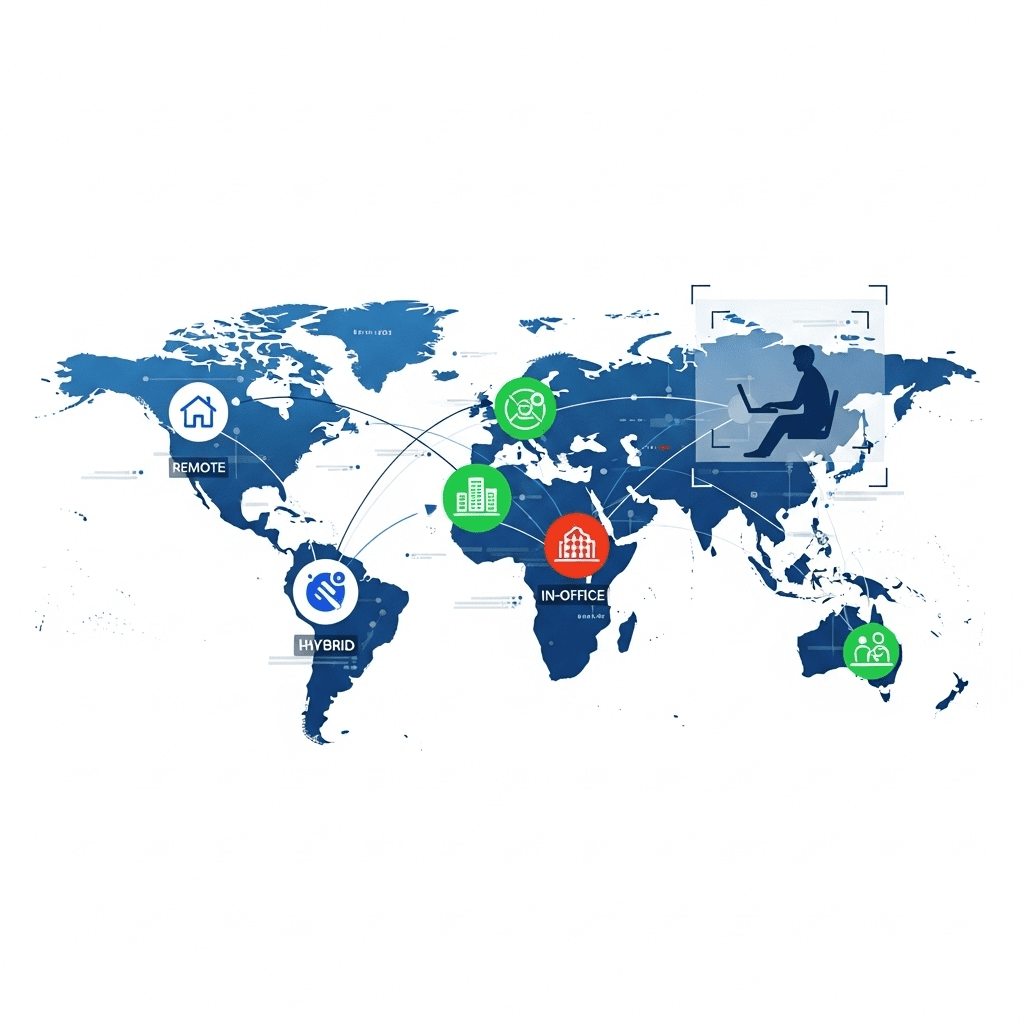
In a move garnering widespread attention among tech leaders and start-up founders, Google introduces new restrictions to its popular ‘Work From Anywhere’ perk. As the nature of remote work continues to evolve, this policy shift marks a crucial moment for companies navigating the future of flexible working models.
The Impact as Google Introduces New Restrictions to Its Popular ‘Work From Anywhere’ Perk
Google’s transformation of its remote work policy sends ripples across the start-up ecosystem, especially among unicorns and high-growth ventures that emulate big tech trends. The company, once lauded for its pioneering flexibility, is now requiring employees to limit the number of days they spend working outside their designated office regions. Sources close to the transition reveal Google will now allow only a set number of ‘Work From Anywhere’ weeks per year, introducing rigorous approval processes and stricter tracking for international remote work.
For start-ups, many of which used Google’s old model as a blueprint for their talent strategy, these changes force a re-examination of their own approaches. Founders are concerned not only about employee morale but also about the operational implications—tax compliance, data security, and collaboration—all increasingly complex in a global remote environment. The recalibration by Google is seen by some as a signal for the coming maturity of distributed workforce policies throughout the sector.
Why Is Google Tightening Remote Work Flexibility?
Several factors contribute to Google’s decision. Regulatory compliance, tax obligations, and intellectual property protection weigh heavily on organizations with talent spread worldwide. By enforcing clearer boundaries, Google aims to curb unintentional breaches of local labor laws and mitigate risk exposure. Additionally, leadership within the company has reported challenges with fostering innovation and creating cohesion among distributed teams.
The move underscores a trend identified in recent investment insights—the increase in corporate governance around remote work arrangements. Hybrid models, already gaining traction, are now being revisited for stricter oversight. For start-ups, especially those reliant on venture funding, the need to demonstrate operational stability and ensure compliance may necessitate similar policies, even at the cost of talent attraction and retention.
How Start-Ups and Investors Are Responding
The start-up world has watched Google’s policy evolution closely. Many see the new restrictions as a cue to revisit their own ‘Work From Anywhere’ policies before scaling or pursuing new rounds of funding. Investors, acutely aware of compliance pitfalls, are increasingly including remote work management as a due diligence checklist item.
Some start-ups are proactively building location compliance software or contracting third-party HR providers to navigate global workforce rules. For others, this shift is an opportunity to set themselves apart—offering bespoke flexibility perks in areas where Google’s restrictions hurt employee experience. Adapting to these trends also means reassessing growth strategy and employee engagement approaches, signaling a broader shift in the competitive landscape of talent acquisition.
The Future of Remote Work After Google Introduces New Restrictions to Its Popular ‘Work From Anywhere’ Perk
As Google introduces new restrictions to its popular ‘Work From Anywhere’ perk, industry analysts predict a moderation in the extremes of remote work freedoms. While the pandemic era established fully remote opportunities as the gold standard, the pendulum now swings toward more structured, regulated policies. Start-ups face critical questions: Will stricter guidelines erode the flexibility that today’s top talent demands? Can innovation continue to flourish in environments where in-person collaboration is prioritized?
Regulators are also taking note, with increased scrutiny on cross-border employment and tax structures. For international unicorns, this adds another layer of complexity to scaling rapidly while remaining vigilant to compliance risks. Advisories from business strategy experts recommend establishing transparent policies, clear approval workflows, and investing in HR technology to handle emerging issues efficiently.
Conclusion: Navigating New Norms for Start-Up Success
As the dust settles, one thing is clear: Google’s revised approach to remote work will influence policy norms across the start-up world. Founders must weigh the benefits of flexibility against the operational risks, ensuring their workforce strategies remain agile but compliant. The move signals a shift toward professionalization and policy discipline, underscoring the imperative for evolving best practices in the era of global, distributed teams.