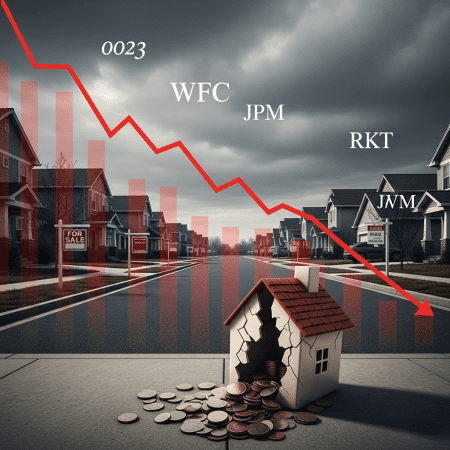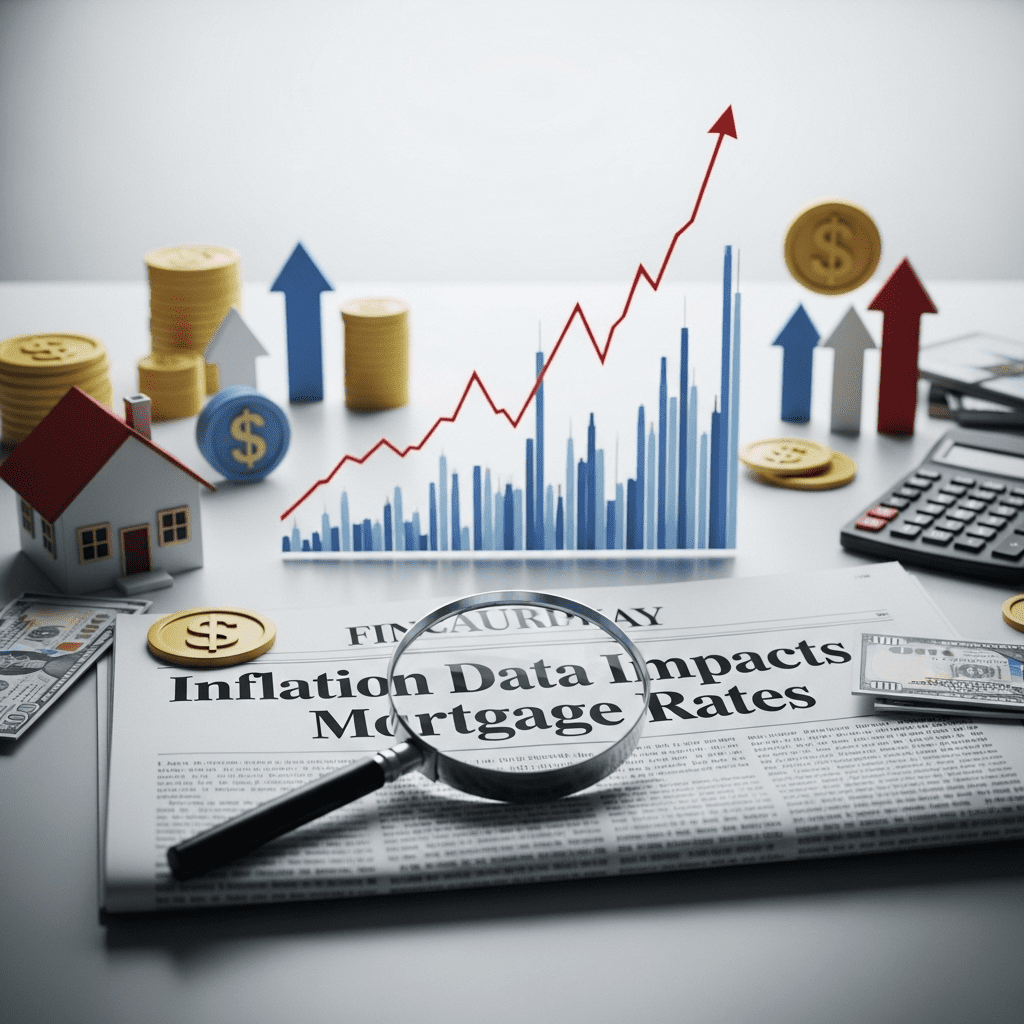
Recent U.S. inflation data could heavily influence 2025 mortgage rates, with potential implications for both prospective homebuyers and investors. Understanding how new inflation data could impact 2025 mortgage rates is critical as the Federal Reserve signals its ongoing response in a shifting economic climate.
What Happened
On June 12, 2025, the U.S. Bureau of Labor Statistics released its latest Consumer Price Index (CPI) report, revealing annual inflation at 3.1%, a slight uptick from the previous month’s 2.9%. This renewed inflationary pressure comes as core inflation, which excludes volatile food and energy prices, remained sticky at 3.3%. The data has quickly drawn the market’s attention, with industry expectations for a Federal Reserve policy adjustment growing sharper. According to Bloomberg, swaps markets adjusted their probability of a Fed rate cut by September downward to 41%, compared to 57% just a month prior. Mortgage rates have also responded, with average 30-year fixed-rate loans creeping up to 6.85% according to Freddie Mac, impacting affordability for U.S. homebuyers and real estate investors. Analysts at Wells Fargo noted, “The recent CPI print may delay the Fed’s anticipated pivot, which could keep mortgage rates elevated through the peak homebuying season.” For further background, see recent market analysis on monetary policy shifts.
Why It Matters
Inflation trends are central to Federal Reserve decision-making and, by extension, to the cost of borrowing across the economy. Historically, persistent inflation has led to prolonged periods of higher interest rates. According to Federal Reserve data, mortgage rates tend to track the 10-year Treasury yield, which reacts to both inflation expectations and Fed policy. In 2022-2023, for example, mortgage rates doubled as inflation spiked and the Fed raised rates aggressively. The recent CPI uptick revives concerns that rate relief may be slower than anticipated—a critical detail for real estate markets and prospective homebuyers. As the housing affordability index, tracked by the National Association of Realtors, slipped below 100 in recent months, any further uptick in mortgage rates may sideline even more buyers. Investors are increasingly watching inflation releases as a leading indicator for both investment insights and broader housing market performance.
Impact on Investors
Volatility in mortgage rates directly influences both residential and commercial real estate stocks. Homebuilder ETFs (e.g., XHB) and mortgage REITs (e.g., NLY, AGNC) are particularly sensitive to rate changes. If inflation remains uncomfortably high and the Fed delays rate cuts, yields on Treasury securities could stay elevated, pressuring mortgage-backed securities (MBS) and narrowing originator margins. Meanwhile, higher mortgage rates could curb purchase activity and soften demand for new homes. According to Samantha Liu, principal U.S. rates strategist at Citi, “Real estate investors should prepare for fewer tailwinds in the second half of 2025 if inflation remains sticky and mortgage rates stay high. The focus should shift to sectors with strong rental yields and resilient cash flow.” For more, see ThinkInvest’s real estate sector watch.
Expert Take
Analysts note that the intersection of persistent inflation and policy uncertainty points to a cautious environment for both homebuyers and real estate investors. Market strategists suggest watching Fed communications closely, as even minor shifts in language could signal a policy turning point—and thus a possible mortgage rate reprieve.
The Bottom Line
For those tracking how new inflation data could impact 2025 mortgage rates, the latest CPI report underscores why inflation readings remain pivotal for real estate and credit markets. Until inflation moderates or the Fed signals a clear change in stance, expect mortgage rates to stay elevated—demanding careful strategy from homebuyers and investors alike.
Tags: inflation, mortgage rates, Fed policy, homebuyers, real estate investing.