







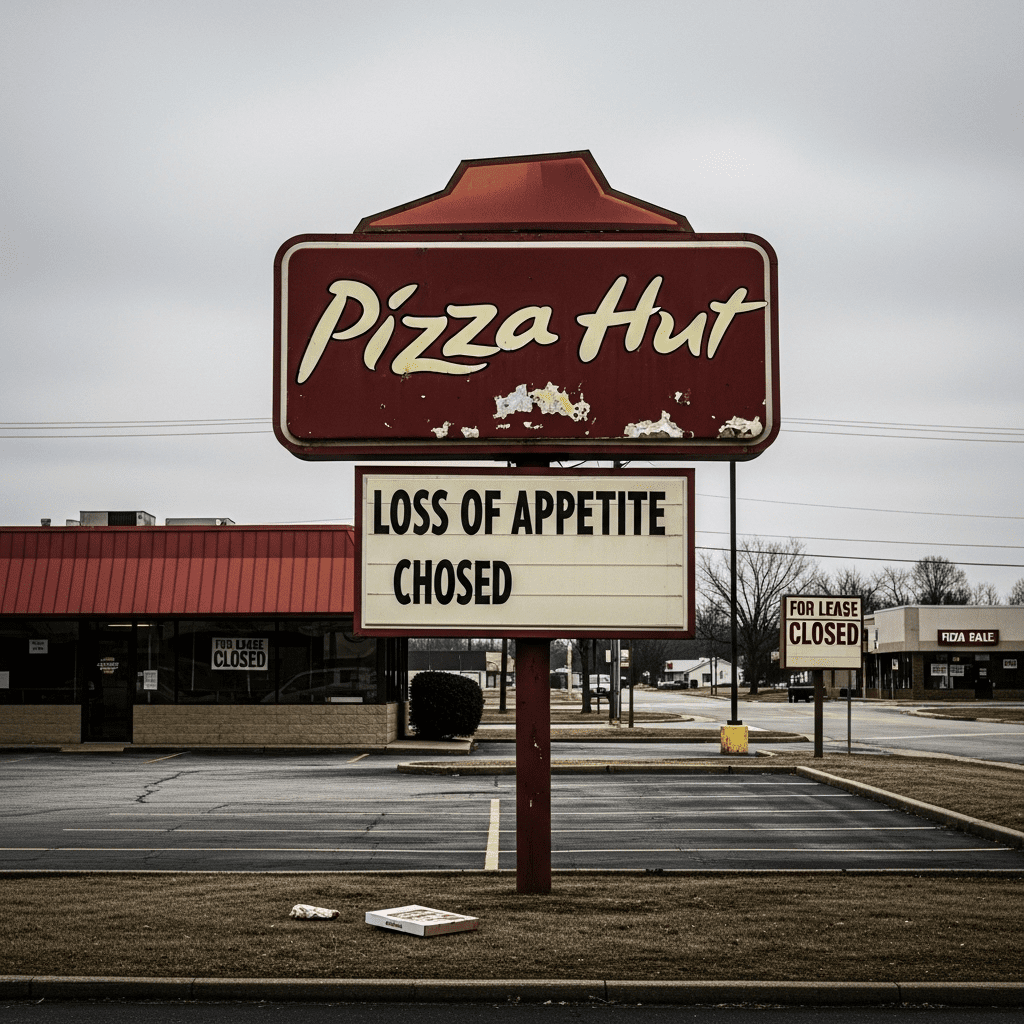
In 2025, the once-iconic Pizza Hut brand has faced a significant decline as the nation lost its appetite for Pizza Hut, signaling deeper shifts in consumer behavior and the fast-food industry. This article examines the underlying data, market reactions, and what the changing landscape means for investors and sector-watchers.
What Happened
Pizza Hut, a household name for over half a century, has seen a dramatic drop in U.S. sales and foot traffic, capping a prolonged slump that intensified through 2024 and into early 2025. According to Yum! Brands’ (NYSE: YUM) Q1 2025 earnings report, U.S. same-store sales plunged 8.7% year-over-year—the sharpest decline among major pizza chains—while the number of Pizza Hut locations contracted by over 400 nationwide since 2022 (Bloomberg, April 2025). CEO David Gibbs acknowledged “a challenging competitive landscape and shifting consumer tastes,” as delivery volumes failed to rebound post-pandemic. Meanwhile, fast-casual competitors and digital-native upstarts continued to take market share, leading many analysts to question Pizza Hut’s long-term relevance in the U.S. market.
Why It Matters
The downturn at Pizza Hut is more than a single-brand story—it highlights accelerated changes in the U.S. fast-food sector. Rising health consciousness, digital ordering expectations, and the popularity of alternative dining experiences have pressured legacy chains to adapt or risk obsolescence. Data from Technomic show that U.S. consumers spent 12% less on traditional pizza chains in 2024 versus 2022, as spending shifted toward fast-casual and delivery-first brands. For the overall economy, weak performance from category giants like Pizza Hut can signal softness in discretionary spending, particularly among young households—a key demographic tracked by consumer sentiment gauges. The trend underscores why tracking sector shifts remains central for those seeking deeper market analysis.
Impact on Investors
The decline in Pizza Hut’s fortunes poses direct implications for Yum! Brands investors, who have seen shares underperform the S&P 500 Fast Food & Casual Dining Index in 2025. In response, Yum! Brands has pledged to “accelerate digital innovation and optimize store portfolios,” according to CFO Chris Turner. The persistent weakness at Pizza Hut, however, stands in contrast to relative strength at sibling chains Taco Bell and KFC. As Morgan Stanley analyst Laura Chen told Reuters in May 2025, “Pizza Hut’s brand headwinds highlight the risks for legacy food-service models, but Yum!’s diversification remains a partial offset.” Broader sector investors may see emerging opportunity in fast-casual growth names or delivery tech, while pure-play pizza stocks (such as DPZ for Domino’s) are favored by some strategists in this shifting landscape. For more sector-level dynamics, visit investment insights on ThinkInvest.
Expert Take
Analysts note that failing to pivot swiftly toward digital-first ordering and health-driven menus left Pizza Hut trailing agile competitors. Market strategists suggest that brands prioritizing convenience and customization are best positioned for post-2025 growth cycles.
The Bottom Line
The story of how the nation lost its appetite for Pizza Hut is ultimately about evolving consumer values, competitive adaptability, and the risks faced by legacy brands in a rapidly changing environment. For investors, the chain’s slump is a cautionary case—underlining the need to monitor both megatrends and nimble sector disruptors. For ongoing updates and portfolio strategies, see market insights from ThinkInvest.
Tags: Pizza Hut, Yum Brands, fast food sector, consumer spending, restaurant stocks.










