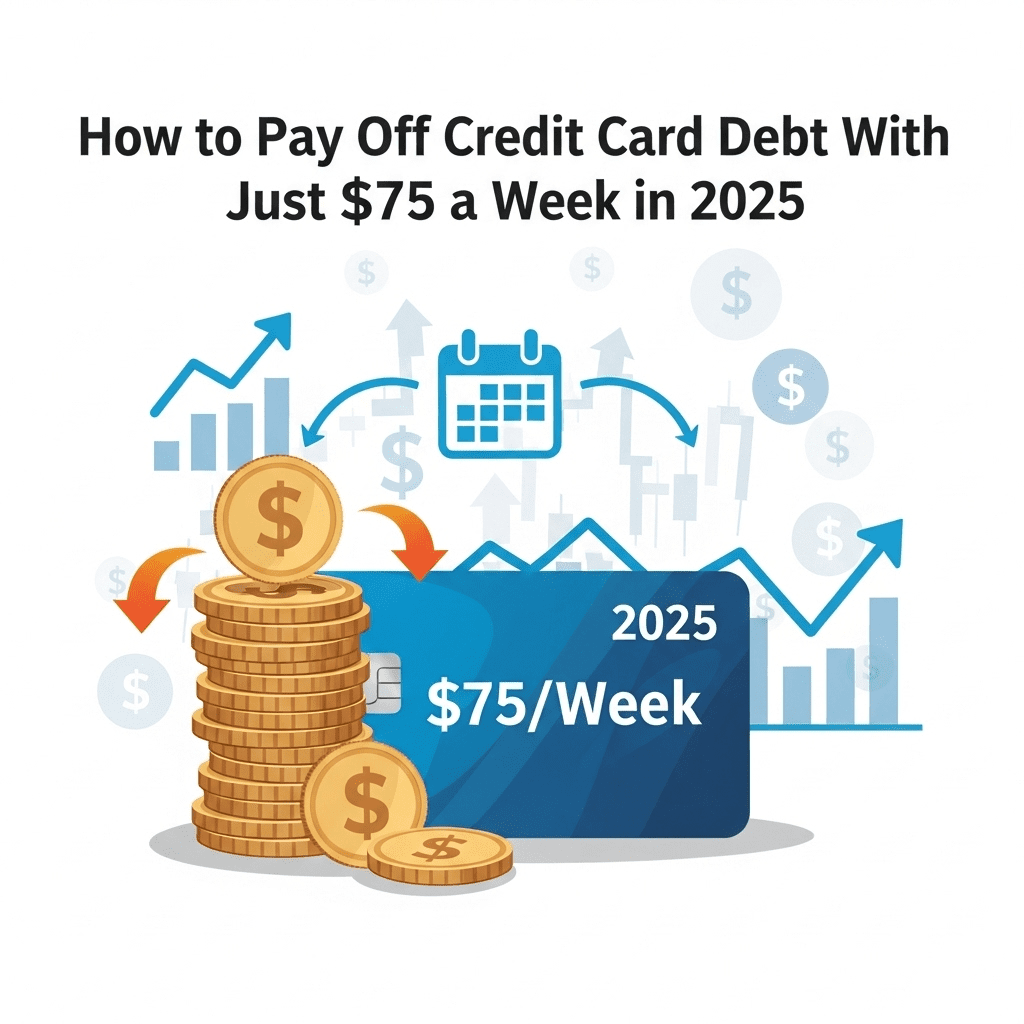
For many Americans, figuring out how to pay off credit card debt with just $75 a week may seem like an uphill battle. Yet, as consumer debt levels reach new highs in 2025, this simple, consistent approach can offer powerful results. With commitment and strategy, even modest weekly payments can pave the way to financial freedom.
How to Pay Off Credit Card Debt With Just $75 a Week: A Step-by-Step Guide
Paying off high-interest credit card balances remains a top financial priority for millions. By allocating $75 every week—just $300 a month—toward eliminating your debt, you can make measurable progress without drastically cutting your lifestyle. This strategy works by leveraging the power of consistency and creating habits that support long-term stability.
Assess Your Current Debt Situation
Start by listing all outstanding credit card balances, their interest rates (APR), and minimum payments. Calculate your total debt. This snapshot helps you understand the scope and prioritize which cards to pay down first. Debt avalanche and snowball methods are popular:
- Avalanche: Pay off the highest-interest card first to reduce overall interest paid.
- Snowball: Tackle the smallest balance first to gain momentum and motivation.
Use a reputable debt repayment calculator to visualize your pathway to zero balance. Knowing exactly where you stand is critical to success.
Create and Automate Weekly Payments
Instead of making one monthly payment, automate your $75 weekly payments. This not only ensures you never miss due dates, but also slightly reduces the daily average balance, saving on interest charges over time because credit card interest is calculated daily.
For example, if you have $4,500 in credit card debt at an 22% APR and pay $75 weekly, you could be debt-free in about 16 months—assuming no new charges. Consistent, automated transactions remove temptation and add discipline to your payoff schedule.
Maximizing Results When Paying Off Credit Card Debt With Just $75 a Week
While $75 a week may seem small, combining this with proven strategies can accelerate your journey:
- Cut unnecessary expenses: Identify recurring charges, impulse purchases, or subscriptions you no longer use. Redirect those funds to your credit card payments.
- Increase income: A side gig, freelance work, or selling unused items can generate additional cash infusions to apply directly to your balance.
- Negotiate lower interest rates: Contact credit card issuers to request an interest rate reduction or promotional balance transfer. Lower rates mean less of your payment goes to interest, speeding up repayment.
Track Progress and Celebrate Milestones
Track your shrinking balances each month. Many financial experts, including those at ThinkInvest.org, emphasize the psychological benefits of marking progress. Set milestones—like every $500 paid off—and celebrate responsibly. This can build confidence and reinforce good habits.
Watch Out for Common Pitfalls
Success relies on avoiding new debt. Freeze or cut up cards if you’re prone to overspending. Refrain from using credit cards for daily purchases until you have a clear payoff plan. It’s also wise to keep an emergency fund of at least one month’s expenses, so unexpected costs don’t derail your strategy. For expert budgeting ideas, visit financial planning resources.
Is Paying Off Credit Card Debt With $75 a Week Enough?
The key to this approach is persistency, not perfection. Even if $75 a week won’t clear your balances overnight, dedicated payments paired with lifestyle changes can rapidly reduce your financial burden. As your balances shrink, consider increasing your weekly payment to speed up progress. Remember, every dollar above the minimum reduces future interest charges and builds your financial confidence.
Final Thoughts
Learning how to pay off credit card debt with just $75 a week in 2025 is an accessible strategy that delivers real results. With a clear plan, automated payments, and a focus on positive financial habits, you’ll be on track toward a debt-free future—one week at a time.