







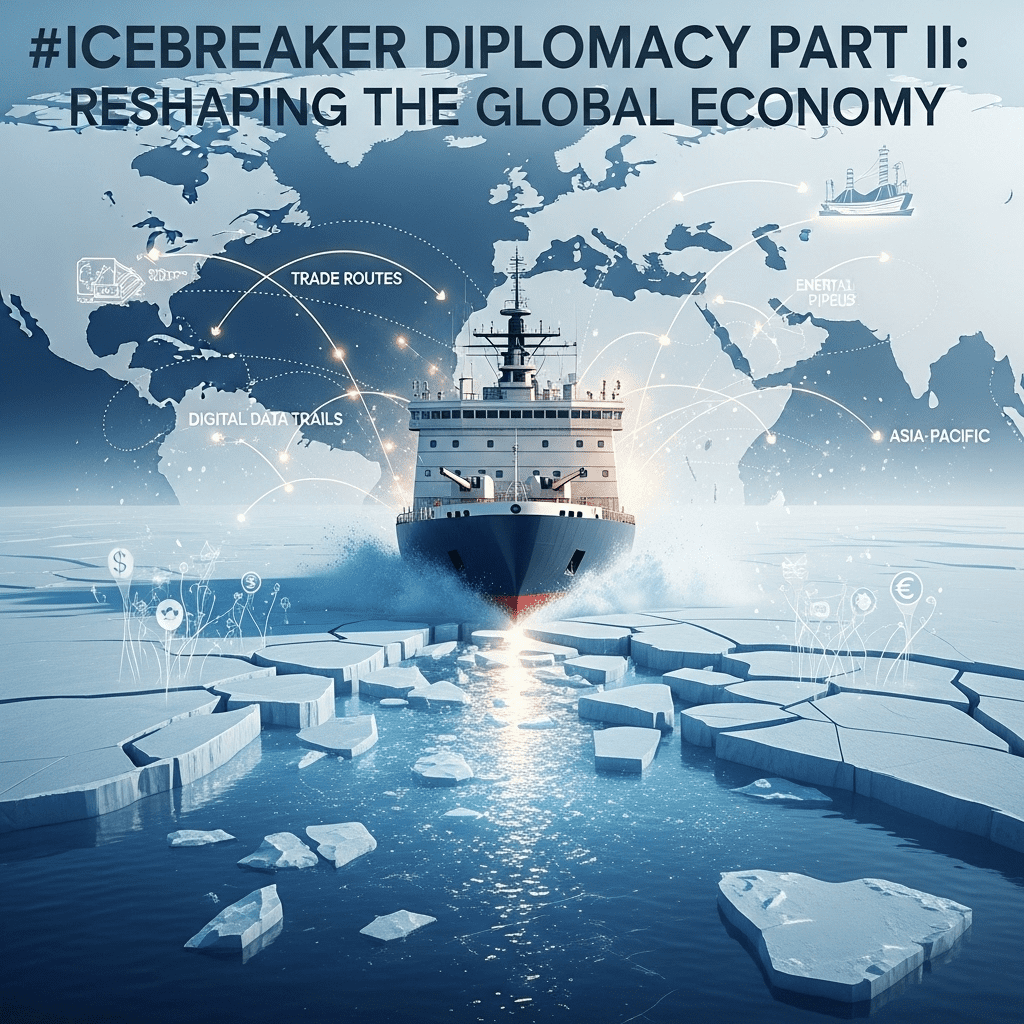
In 2025, icebreaker diplomacy part II has emerged as a transformative force driving economic cooperation and influencing markets worldwide. As geopolitical tensions rise and new alliances form, economic stakeholders are closely monitoring how this new era of engagement between global powers is reshaping trade, investment, and financial strategies. Investors and policymakers alike are seeking to understand the broader implications of this renewed diplomatic push, particularly in regions with high geopolitical stakes such as the Arctic, Eastern Europe, and the Asia-Pacific.
How Icebreaker Diplomacy Part II Influences Global Economic Policy
The phrase icebreaker diplomacy part II encompasses a wave of high-level meetings, cross-border collaborations, and symbolic gestures aiming to unlock stalled negotiations—particularly on issues like climate change, energy transit, and digital trade. This second wave stands in contrast to the cautious engagement of prior years, and its economic ramifications are already being felt. Governments are increasingly using economic tools as levers in diplomatic interactions, ranging from targeted tariffs and sanctions relief to new incentives for private sector investment in previously restricted markets.
The renewed focus on icebreaker diplomacy has stimulated investor optimism, particularly in emerging markets that serve as diplomatic bridges. Countries with strategic logistics hubs, such as Finland, Kazakhstan, and Singapore, are seeing increased capital flows, expansion in infrastructure investment, and a surge in public-private partnerships. According to the International Monetary Fund (IMF), these nations have seen foreign direct investment (FDI) inflows rise by an average of 12% year-over-year since the beginning of 2024, underscoring the economic dividend of diplomatic thawing.
New Trade Corridors and Energy Agreements
One demonstrable outcome of icebreaker diplomacy part II has been the negotiation of new trade corridors—especially those facilitating the flow of minerals, agricultural goods, and renewable energy. Example: the “Arctic Silk Road,” propelled by cooperation between Nordic and East Asian states, has cut shipping times and reduced costs for critical commodities. Multinational energy projects, such as cross-border hydrogen pipelines and LNG terminals, have moved from concept to execution with backing from both governmental actors and global investment firms.
For investors, these developments offer both opportunities and challenges. On the one hand, new markets are opening, supply chains are strengthening, and diplomatic risk is declining in select sectors. On the other, the long-term success of icebreaker diplomacy depends on the durability of political will and the ability to translate diplomatic breakthroughs into concrete business outcomes. Monitoring these trends is vital for identifying growth sectors and managing risk in transition economies. For deeper economic trends analysis, staying attuned to diplomatic developments is now a core part of portfolio strategy.
Strategic Investment Opportunities from Icebreaker Diplomacy Part II
As icebreaker diplomacy part II unfolds, it unlocks new sectors for growth—ranging from green infrastructure to health technologies reliant on cross-border cooperation. Sovereign wealth funds and institutional investors are taking note, reallocating capital to firms and funds with exposure to these diplomatic corridors. Recent data suggests a notable uptick in sovereign investment vehicles targeting infrastructure bonds and blended-finance projects in newly accessible regions.
Moreover, stock exchanges in cities aligned with current diplomatic efforts—like Helsinki, Astana, and Busan—have reported increased trading volumes and capital inflows. Exchange-traded funds (ETFs) tracking companies engaged in Arctic logistics, digital infrastructure, and cross-border energy have outperformed sector benchmarks since Q3 2024, reinforcing the link between diplomacy and investor confidence. Learn more about innovative portfolio diversification strategies built around these emerging opportunities.
Risk Factors and Macroeconomic Headwinds
Despite the promise of new markets, icebreaker diplomacy part II is not without risk. Challenges include sudden shifts in leadership, unanticipated sanctions, or localized conflict that can reverse gains quickly. Additionally, currency volatility and regulatory uncertainty remain prominent threats. Investors are therefore paying closer attention to sovereign credit ratings and ESG (Environmental, Social, and Governance) metrics when selecting assets in diplomacy-driven markets.
By balancing exposure, conducting diligent risk assessment, and leveraging sophisticated analytics, investors can better capitalize on the multidimensional impacts of this new diplomatic era. For those looking to enhance their own geopolitical and macroeconomic acumen, leveraging expert-led financial education is critical to navigating this evolving landscape.
The Future of Icebreaker Diplomacy Part II for the Global Economy
Looking ahead, the trajectory of icebreaker diplomacy part II will depend on several factors: sustained political commitment, continued institutional buy-in, and the adaptability of legal frameworks supporting international collaboration. The next 12-24 months will be pivotal, as leaders balance domestic pressures against the benefits of open economic engagement. For investors and economists, tracking not only the progress of diplomatic summits but also tangible policy changes remains essential for uncovering actionable intelligence and long-term trends.
In summary, icebreaker diplomacy part II is more than a diplomatic phenomenon—it is a catalyst for economic innovation, market expansion, and strategic investment worldwide. As new corridors open and geopolitical risks transform, staying informed and agile will be imperative for those seeking a competitive advantage in the evolving global economy.










