




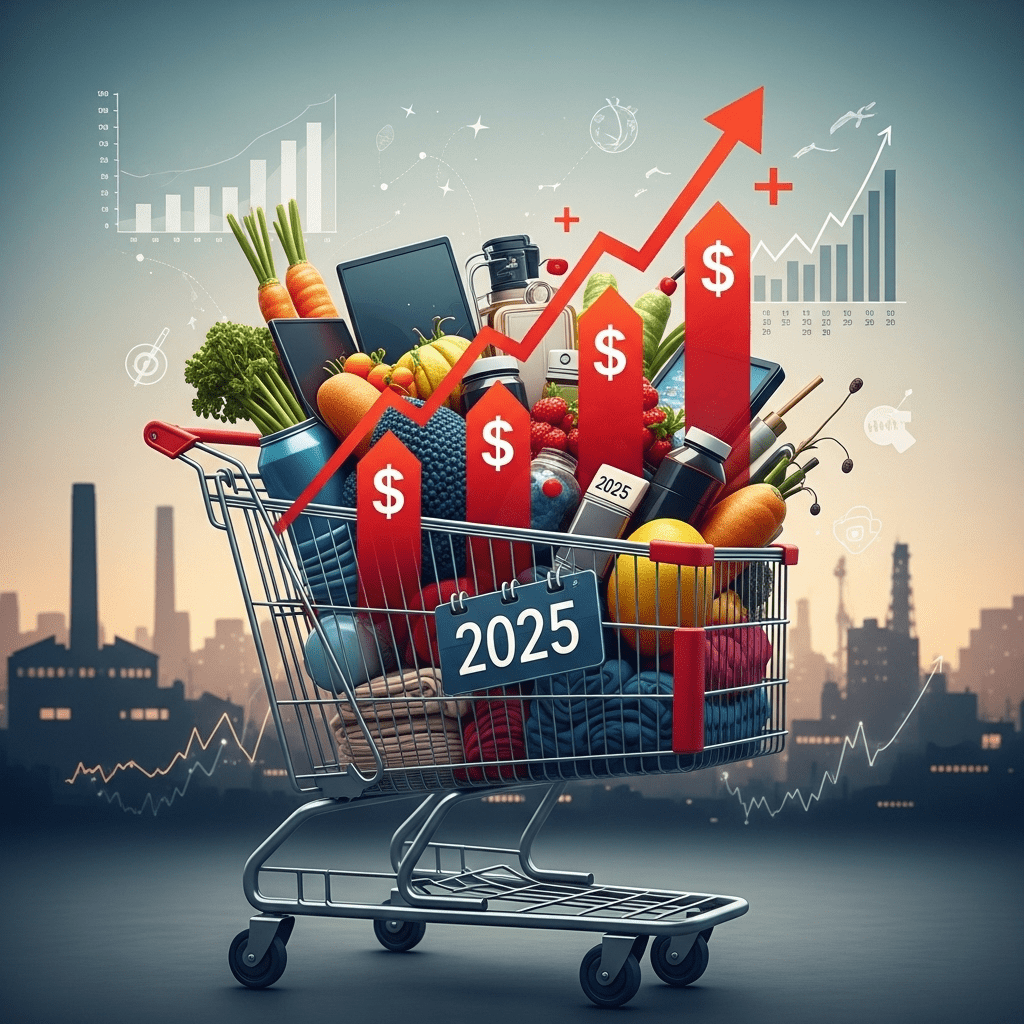
After years of heated debate, the impact of Trump tariffs is beginning to show in US consumer prices. As of 2025, new data and market trends reveal how these tariffs are shaping everyday costs, influencing household budgets, and altering the broader economic landscape. The effects, once diluted by stockpiles and shifting supply chains, are now clearly reaching store shelves and consumers’ wallets.
How the Impact of Trump Tariffs Is Beginning to Show in US Consumer Prices
The Trump administration introduced wide-ranging tariffs during its tenure, targeting key imports from countries such as China and several European nations. These policies, intended to protect domestic industries and counter trade imbalances, initially had a muted effect on consumer pricing due to inventory buffers, supplier diversification, and government subsidies. However, as those levers have been exhausted, the delayed but significant ripple effects are now increasingly visible in American households’ shopping lists.
Understanding the Tariffs and Their Targets
Between 2018 and 2020, the US imposed tariffs on hundreds of billions of dollars’ worth of goods, including electronics, clothing, agricultural products, and industrial components. The tariffs ranged from 10% to 25%, dramatically increasing costs for importers. Companies initially absorbed some of these expenses or sought alternate suppliers. As global supply chains have grown more rigid and costs have stayed elevated, businesses have gradually passed those additional expenses onto consumers.
Visible Impact on Everyday Products
Consumer prices are climbing across a range of goods, from smartphones and appliances to groceries and auto parts. According to data released in early 2025, categories most affected by tariffs have outpaced overall inflation, sometimes by double-digit percentages. For example, the Consumer Price Index for electronics and kitchenware—long dependent on Chinese imports—rose significantly last quarter. American families now pay noticeably more for everyday items, and budget-conscious shoppers are beginning to feel the squeeze.
The Hidden Costs for American Households
The true cost of tariffs isn’t limited to headline prices. Indirect effects—such as increased production costs, shipping delays, and supply uncertainties—further raise retail prices over time. Analysts noted that by the time international tensions reach consumers, many businesses have already resorted to shrinking product sizes (also known as “shrinkflation”) or reducing features to keep sticker prices palatable. This means American shoppers may be getting less for more—a critical point for economic watchdogs and consumer advocates alike.
Manufacturers and Retailers Adjust to the New Normal
Retailers, wholesalers, and manufacturers are in a state of adaptation, retooling their strategies for a tariff-impacted world. Some have increased investments in domestic production to bypass tariffs, a move that often comes with its own costs. Others source alternative suppliers from countries unaffected by tariffs, but supply chain diversification doesn’t always guarantee lower costs or reliability. For businesses and investors wanting to stay updated on these strategic shifts, resources like ThinkInvest offer ongoing analysis and guidance.
Which Sectors Are Most Affected?
Beyond retail, industries such as automotive, construction, and high-tech manufacturing have reported significant cost increases. Components like semiconductors, steel, and plastics—key imports targeted by Trump tariffs—play a crucial role in the final price consumers pay. American automakers, for example, have faced difficult choices: raise car prices, pare down vehicle options, or innovate with cheaper materials. The construction industry, reliant on imported aluminum and lumber, has seen higher costs reflected in home prices and renovations.
Broader Economic Consequences
The impact of Trump tariffs is beginning to show in US consumer prices, but the reach extends even further into the US economy. Higher prices can suppress demand, especially for non-essential goods, potentially slowing retail growth in 2025. Moreover, persistent inflationary pressure complicates the Federal Reserve’s stance on interest rates, with consumer costs becoming a central consideration in monetary policy decisions.
Winners and Losers in the New Trade Landscape
While some domestic sectors—such as steelmaking and agricultural producers—initially benefited from protective measures, many are now navigating supply volatility, retaliatory tariffs from trade partners, and shrinking export opportunities. For small- and medium-sized enterprises without diverse supplier bases or large profit cushions, the ongoing effects of tariffs are particularly acute. Larger multinationals, meanwhile, balance global supply chains and adjust prices opportunistically to spread risk.
Looking Forward: Policy, Adaptation, and Consumer Advocacy
With the current administration considering changes to trade policy, questions remain about the future direction of tariffs and their impact on consumers. Industry experts urge policymakers to weigh both the economic and social costs, especially given the observable rise in living expenses for American households. Consumer advocacy groups have grown more vocal, calling for transparency in pricing, better product labeling, and policies that prioritize affordability and access.
How Consumers Can Respond
For average Americans, adapting to higher prices means shopping smarter: looking for deals, buying in bulk, or seeking out alternative brands that have managed to avoid tariffs. Financial literacy and economic awareness will be crucial in 2025 and beyond. Trusted information sources such as investing education websites can help families navigate the changing economic landscape.
Conclusion
The impact of Trump tariffs is beginning to show in US consumer prices, bringing into sharp relief the complex trade-offs inherent in international policy decisions. As industries adapt and lawmakers debate the next steps, American consumers face a new reality—one where tariffs matter long after the headlines fade. Seeking reliable information and remaining engaged with policy discussions will be vital for households aiming to weather these economic shifts.