TL;DR: Inflation’s up again in 2025, pushing the target return your savings must achieve to preserve purchasing power even higher. Investors are advised to recalibrate their strategies as the rising savings ‘magic number’ reshapes the investment landscape.
What Happened
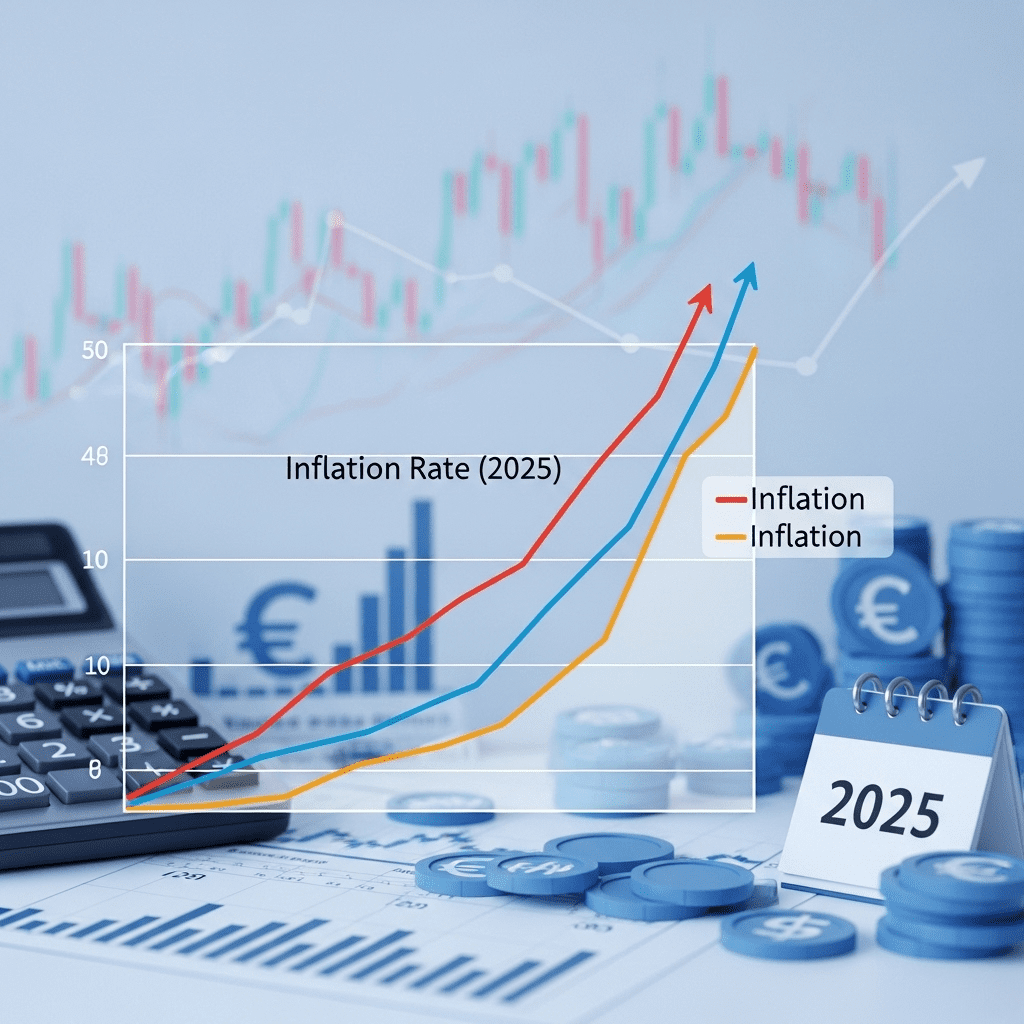
Inflation’s up again in 2025, with the latest Bureau of Labor Statistics data showing the Consumer Price Index (CPI) rose 3.4% year-over-year in May—exceeding both market forecasts and the Federal Reserve’s 2% target. According to recent market analysis, persistent price pressures in housing, energy, and food sectors have contributed to this uptick. “The current inflation trend is forcing households to rethink financial goals,” said Marissa Boyd, a senior economist at KeyBridge Advisors. As a result, the so-called ‘magic number’—the annual return your savings must achieve to keep pace with rising costs—has climbed sharply, resetting the bar for everyone from retirees to young investors.
Why It Matters
The sustained rise in inflation carries significant consequences for both consumers and the broader economy. Higher inflation erodes the real value of cash and fixed-income returns, making traditional savings rates insufficient to preserve purchasing power. Data from the Federal Reserve shows average national savings account yields remain under 1.5%, far below the current inflation rate. This trend carries direct implications for long-term wealth planning, particularly as cost-of-living adjustments (COLAs) lag behind actual inflation in many pension and Social Security calculations. Analysts point out that the gap between actual inflation and traditional savings yields will likely widen if upward price pressure continues throughout 2025. As covered in recent investment insights, investors can no longer rely on the status quo to safeguard their financial future.
Impact on Investors
For investors, the higher magic number for savings means re-evaluating portfolios and return expectations. Traditional low-yield vehicles—money market funds, certificates of deposit (CDs), and U.S. Treasuries—may no longer suffice as core holdings. Equity sectors tied to pricing power, such as energy (XLE), consumer staples (XLP), and select technology stocks, have outperformed inflation so far in 2025. Meanwhile, inflation-protected securities (like TIPS) and real assets, including commodities and real estate investment trusts (REITs), are gaining appeal as inflation hedges. Economic indicators such as wage growth and core inflation readings will guide tactical allocation decisions in the coming months. Crucially, investors should adjust their return targets above 3.4% just to break even in real terms according to current market forecasts.
Expert Take
Analysts note that “persistent inflation is rewriting the baseline for what constitutes a safe, growth-aligned savings strategy in 2025.” Market strategists suggest, “Investors must prioritize assets with inflation-beating potential and actively monitor both macro conditions and portfolio allocation.”
The Bottom Line
The era of ultra-low inflation is over, and so is the comfort of modest savings returns. With inflation’s up again in 2025, investors must aim higher to maintain purchasing power and financial security. Proactive adjustments and a focus on inflation-resilient assets will be critical as the savings magic number continues to climb.
Tags: inflation, savings, 2025 economy, investor strategies, market outlook.