




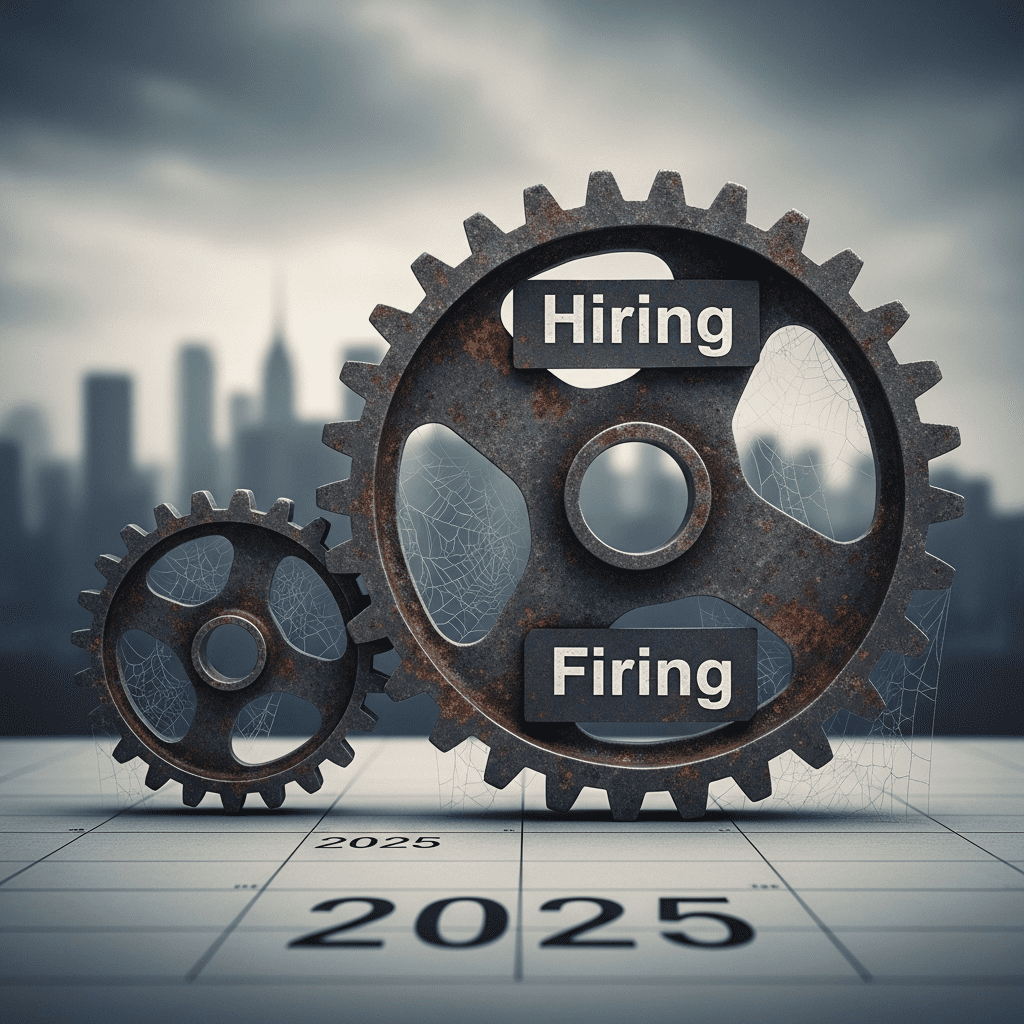
The persistent phenomenon of labour markets stuck in a ‘low-hire, low-fire’ cycle is shaping economic narratives worldwide as we enter 2025. This cycle, characterized by employers hiring fewer people and simultaneously reducing layoffs, reflects deep-seated uncertainties and evolving business strategies across various sectors.
Understanding Labour Markets Stuck in a ‘Low-Hire, Low-Fire’ Cycle
This emerging pattern is a notable departure from traditional employment cycles. In a classic economic recovery, organizations tend to increase hiring swiftly after recessions and reduce staff in downturns. However, when labour markets become stuck in a ‘low-hire, low-fire’ cycle, this dynamic stalls—businesses remain hesitant to expand or contract their workforces, creating a stagnant job market that impacts both employers and employees.
Causes Behind the Shift to Low Hiring and Firing
Several complex factors have driven this shift:
- Economic Uncertainty: From lingering post-pandemic volatility to geopolitical tensions, firms are cautious about long-term commitments, including hiring new staff. Many anticipate unpredictable demand cliffs or supply chain issues.
- Cost Control Strategies: After years of aggressive hiring, businesses learned hard lessons during recent downturns. Now, keeping headcounts stable avoids costly layoff cycles and rehiring expenses.
- Automation and Digitalization: Continued investment in technology allows businesses to meet productivity goals without expanding their workforce scale significantly. This reduces pressure to hire and makes firing less urgent as well.
- Regulatory and Social Pressures: Heightened scrutiny over layoffs by governments and the public has made companies more cautious about firing, while labour shortages have made them more selective about hiring.
Impacts of the Low-Hire, Low-Fire Cycle on the Economy
The effects of being stuck in a low-hire, low-fire labour market cycle are wide-ranging:
1. Stagnant Wage Growth
With limited competition for employees and fewer workers leaving or entering the job market, employers have little incentive to raise wages, dampening overall wage growth despite inflationary pressures.
2. Reduced Career Mobility
Employees face fewer opportunities for advancement or lateral moves, leading to decreased motivation and potentially stifling innovation. Young adults and recent graduates are particularly affected by limited openings, which may result in skills mismatches and long-term career stagnation.
3. Productivity Implications
While some firms may benefit from stable workforces, others risk losing momentum as fresh talent and perspectives become scarce. This can limit productivity gains at a national scale, impacting GDP and economic competitiveness.
4. Impacts on Consumer Spending
Job insecurity and lack of wage growth may lead to reduced consumer confidence and spending, further slowing economic expansion. This feedback loop perpetuates the cautious business environment that fuels the cycle.
Strategies for Businesses to Navigate the Low-Hire, Low-Fire Cycle
Forward-thinking organizations are adopting new approaches to thrive in labour markets stuck in a ‘low-hire, low-fire’ cycle:
- Internal Up-skilling: Investing in training for existing employees to take on new roles, rather than hiring externally or risking redundancies.
- Flexible Work Arrangements: Embracing remote and part-time options to adapt quickly to fluctuating business needs without structural hiring or firing.
- Strategic Use of Technology: Deploying automation not to replace jobs, but to augment employee effectiveness and drive value without growing headcount.
- Employee Engagement: Prioritizing retention through strong engagement programs, benefits, and transparent communication to weather uncertain times.
Organizations seeking expert insights and strategies can explore resources such as labour market studies and economic outlooks to inform their approach.
The 2025 Outlook: Will Labour Markets Break Free?
Economists and HR strategists are watching closely to see whether labour markets stuck in a ‘low-hire, low-fire’ cycle will persist in 2025 or finally shift back toward dynamic movement. Several indicators will shape this evolution:
- Technological Evolution: Advances in AI and automation may reduce friction in hiring and upskilling, potentially easing the bottleneck.
- Policy Responses: Proactive government interventions—like hiring incentives, labour law reforms, and stimulus measures—could stimulate renewed employment growth and mobility.
- Resilient Business Models: Organizations that adapt to uncertain conditions, maintain agility, and foster employee development may emerge as industry leaders.
For in-depth analysis of economic trends influencing employment, consult curated content on global economic shifts and future outlooks.
Practical Steps for Job Seekers and Policymakers
What Can Job Seekers Do?
In a market characterized by few hires and few fires, candidates should focus on:
- Continuous Learning: Acquire in-demand skills, especially digital and data-focused competencies that align with emerging roles.
- Networking: Leverage professional connections to access the ‘hidden’ job market, where opportunities are often filled internally or through referrals.
- Flexibility: Be open to contract roles, freelance opportunities, or gigs that can lead to permanent positions once the cycle shifts.
Policy Recommendations
Policymakers play a crucial role in catalyzing labour market movement by:
- Offering subsidies for training and upskilling to bridge talent gaps.
- Encouraging public-private partnerships that foster job creation.
- Adjusting labour regulations to balance security and market dynamism.
Further expert guidance for both job seekers and policymakers is available through economic resource platforms specializing in labour market analysis.
Conclusion: Navigating the Labour Market Crossroads
As we advance through 2025, the story of labour markets stuck in a ‘low-hire, low-fire’ cycle remains a defining economic challenge. Businesses, workers, and governments must innovate and adapt to foster greater mobility, resilience, and growth in a landscape where change—though slow—is inevitable.