




The “Miami housing bubble” has dominated global headlines in 2025, with several international reports labeling the city as home to the world’s biggest housing bubble. Yet local experts and real estate professionals are pushing back, arguing that such a label oversimplifies Miami’s unique market dynamics and economic resilience.
Understanding the Miami housing bubble: Data, trends, and investor behavior
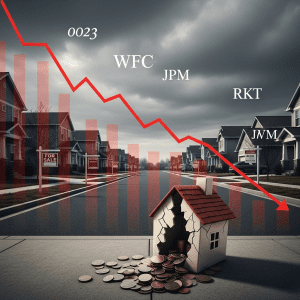
Global analysts have pointed to skyrocketing home prices, rapidly rising rents, and an influx of speculative investment as evidence that a Miami housing bubble is imminent. According to 2025 data from Case-Shiller and CoreLogic, median home prices in Miami have more than doubled since 2020, outpacing national averages by a substantial margin. Some international financial observers now cite Miami as a top risk city, ranking above San Francisco, Toronto, and even Zurich in bubble risk indexes.
However, these bubble assessments often fail to account for critical local factors. Miami’s attractiveness to international buyers, combined with limited land supply and persistent demand from both permanent residents and part-time owners, distinguishes it from previous bubble examples. Furthermore, migration patterns show inbound flows from high-tax states like New York and California are still robust in 2025. This steady demand supports strong fundamentals, argue Miami realtors and economists.
Is Miami’s housing market truly unsustainable?
One hallmark of a true housing bubble is a sharp disconnect between price appreciation and local incomes or rental yields. While home price growth has outpaced wage gains in Miami, local experts point out that the city serves as both a domestic migration hub and a global haven for capital, distorting traditional valuation metrics. Recent research from the University of Miami’s Real Estate Impact Institute finds that nearly 40% of Miami-Dade home purchases in the last two years have been all-cash transactions, a figure far above the U.S. average.
Additionally, the local economy has diversified significantly, reducing reliance on tourism alone. Sectors such as tech, finance, and healthcare have attracted talent and high-earning residents, underpinning housing demand. These factors have helped insulate Miami from the speculative excesses seen in other markets during previous housing booms and busts.
Local experts refute the ‘world’s biggest housing bubble’ narrative
Leading Miami economists and real estate brokers contend that the “Miami housing bubble” concern misses key dimensions of risk and opportunity in the region. “Bubble talk ignores the city’s fundamentals: demand from global buyers, strong population growth, and constrained supply,” says Alicia Cervera Lamadrid, a prominent Miami broker. She notes that much of the activity is driven by “end users rather than flippers,” which dampens speculative volatility.
According to data from Miami Association of Realtors, active listings remain at historically low levels amid persistent buyer demand, even as mortgage rates have touched new highs in 2025. Despite some price moderation and a slight increase in inventory, the market remains competitive—far from the distressed conditions that typically precede a housing correction.
Comparing current conditions to past real estate bubbles
Veteran analysts emphasize differences between the 2025 Miami market and the pre-2008 boom. At that time, easy credit, aggressive leverage, and lax underwriting fueled unsustainable price gains. In 2025, lending standards are much stricter, and overall household debt remains manageable. Many buyers continue to put down substantial equity and view their purchases as long-term investments.
For those seeking deeper perspectives, ThinkInvest.org offers macroeconomic analysis and risk management strategies for navigating markets like Miami, supporting informed property buying and investment decisions. As such, the label of “the world’s biggest housing bubble” is more nuanced than some reports suggest.
Investment outlook: What should buyers and investors know about the Miami housing bubble in 2025?
While it is prudent to be cautious about rapid price escalations, the Miami housing bubble narrative appears more alarmist than substantive, according to local expertise. Prospective buyers and investors should focus on market fundamentals—employment growth, population trends, and inventory levels—rather than headlines alone. Diversification and thorough due diligence are always essential, as with any significant real estate holding. For a broader perspective on portfolio diversification and real estate allocation, consult trusted sources like ThinkInvest.org.
In summary, Miami’s real estate market does face risks from outside shocks and the potential for future corrections, but the declaration of Miami as the “world’s biggest housing bubble” is premature. Robust demand, strengthened local economy, and sustained global interest offer strong underpinnings to a market often misunderstood from afar.