





What Happened
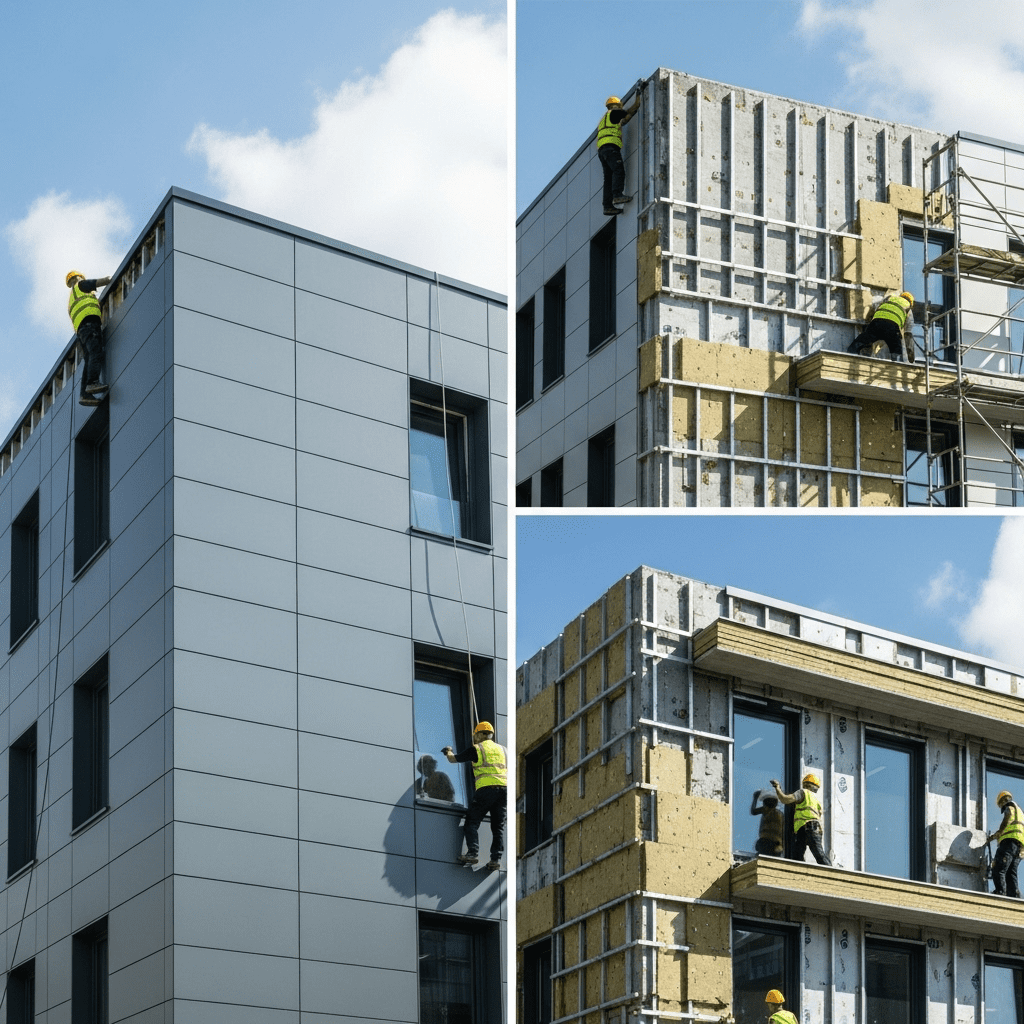
The ongoing debate over the effectiveness and value of external wall insulation has intensified in 2025, as some policymakers question its long-term role in the energy transition. Recent government consultations caused speculation about possible cuts to subsidy programs, prompting concerns among property owners and investors. However, latest data from the UK’s Department for Energy Security and Net Zero show that 2024 installation volumes rose by 11% year-over-year, driven by stringent energy-efficiency targets and persistently high energy prices (source: Department for Energy Security and Net Zero, 2025). Industry groups and sector analysts have stressed that—contrary to recent headlines—there is no reason to abandon external wall insulation, as it remains a pivotal solution for retrofitting aging residential and commercial stock.
Why It Matters
The future of external wall insulation has significant ramifications for climate targets, energy markets, and property asset values. With residential buildings accounting for roughly 19% of the UK’s greenhouse gas emissions (BloombergNEF, 2024), scalable insulation solutions are viewed as essential to decarbonization. The move to question established retrofit incentives mirrors broader uncertainty seen in other energy-efficiency sectors, recalling periods of volatility when policies changed abruptly. Despite these pressures, strong demand data and rising utility costs continue to underpin the economic case for wall insulation, suggesting its relevance will persist through regulatory cycles. Broader market analysis from investment insights notes that insulation technologies are set to play an outsized role in real estate risk mitigation and energy expenditure management.
Impact on Investors
For investors, both direct and indirect exposure to external wall insulation markets remains attractive, particularly as ESG mandates tighten and landlords face stricter minimum energy standards in the EU and UK. Key sector players include Kingspan Group PLC (LON: KGP), SIG plc (LON: SHI), and listed energy retrofit specialists servicing both public and private sector contracts. Market risk does linger over potential government policy shifts, but, as noted by Dr. Sophia Marsh, senior analyst at GreenMarkets Advisory, “The risk-reward profile for high-quality insulation suppliers remains favorable due to urgent climate targets and resilient demand—it’s still a growth market for those positioned with scale or technical leadership.” Recent coverage in market analysis underscores how insulation demand acts as a volatility buffer for construction and building-material equities.
Expert Take
Analysts note that despite transient policy debate, structural tailwinds—energy security, decarbonization, and tenant demand for efficiency—anchor investor confidence in external wall insulation. Market strategists suggest that, “There is no reason to abandon external wall insulation as a core retrofitting solution, especially as climate and energy requirements tighten through 2030,” as argued in sector outlook reports.
The Bottom Line
For investors tracking 2025 trends, there is no reason to abandon external wall insulation, given robust demand, regulatory support, and mounting environmental pressures. As capital flows follow resilient revenue streams in the energy-efficiency sector, adoption of external wall insulation remains a credible, long-term investment theme—despite occasional policy noise or market skepticism.
Tags: external wall insulation, energy efficiency, retrofit investments, ESG, building materials.