




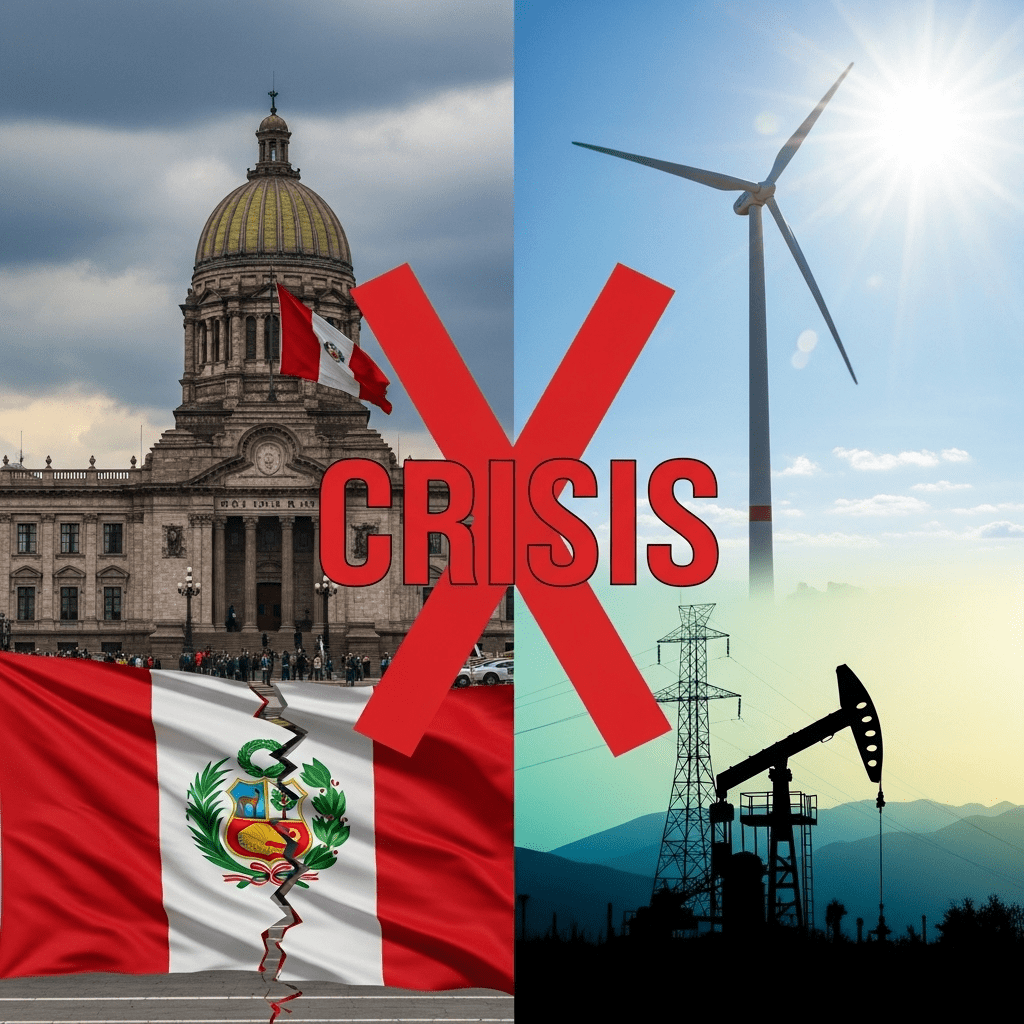
The recent decision as Peru’s Congress removes President Dina Boluarte amid a high-profile corruption probe has sent shockwaves through the nation’s political and economic landscape, with far-reaching consequences for Peru’s vital energy sector. As stakeholders assess immediate and long-term impacts, investors and industry analysts are paying close attention to potential regulatory shifts, leadership vacuums, and investment uncertainties across energy projects in 2025.
How Peru’s Congress Removes President Dina Boluarte Impacts the Energy Sector
The unprecedented move as Peru’s Congress removes President Dina Boluarte is reshaping the country’s economic outlook, with the energy sector at the forefront of affected industries. Peru, known for its robust mining and oil and gas exports, relies heavily on political stability to attract international funding and maintain key partnerships in energy infrastructure. The leadership crisis threatens to disrupt ongoing projects such as the Camisea gas field expansions, hydroelectric plants, and new renewable energy bids.
Renewable Energy Development: Progress at Risk?
Prior to the political upheaval, Peru had been making notable progress toward expanding its renewable energy capacity, with government commitments to wind, solar, and hydro projects. The removal of President Boluarte introduces regulatory uncertainty that may force developers and financiers to delay or reconsider upcoming investments. This interruption could slow the transition to cleaner energies and undercut the country’s emissions reduction targets by 2025. For those seeking investment insights into emerging market renewables, the situation underscores the importance of weighing political risk alongside technological trends.
Hydrocarbon Sector: Investment Flows in Question
Peru’s oil and gas industry, vital to government revenue and export earnings, is highly sensitive to political changes. Although production from established fields like Talara and Camisea has remained resilient, uncertainty following the congressional action may prompt global energy players to reevaluate Peruvian exposure. Exploration licenses, infrastructure permits, and future auctions could all face delays pending new leadership and policy direction. Resource investors tracking emerging market strategies will monitor how quickly a stable interim administration can reassure stakeholders and restart negotiations.
Regulatory Environment After Peru’s Congress Removes President Dina Boluarte
One of the immediate challenges after Peru’s Congress removes President Dina Boluarte is maintaining regulatory continuity in energy markets. New leadership may bring either reformist zeal or a caretaker approach, but regardless, key institutions like the Ministry of Energy and Mines face pressure to keep approvals and oversight on track. Any slowdown or shift in regulatory signals could prompt both domestic and international firms to pause capital commitments. Lessons from prior Peruvian government transitions suggest that ensuring policy predictability will be critical to avoid a sharp drop in energy sector investment.
Opportunities & Risks for Global Investors
While the crisis introduces new risks, it also creates unique opportunities for agile energy investors. Price volatility, valuation adjustments, and changing partnership structures may allow well-prepared funds to enter at attractive terms once the political dust settles. Peruvian energy assets, especially those linked to cleaner technology or grid modernization, remain strategically important within Latin America’s broader transition story. Checking recent policy analysis can inform timely moves during the ongoing power shift.
Outlook for Peru’s Energy Sector in 2025
As the region digests the ramifications of Peru’s Congress removing President Dina Boluarte, energy project timelines and investor sentiment will hinge on the government’s ability to restore confidence. If interim authorities rapidly reestablish institutional clarity and uphold contracts, Peru may avoid a protracted downturn in sector investment and maintain its role as a regional energy hub. Conversely, further internal divisions or populist policy swings could delay major investments and slow progress toward sustainability goals.
For global energy leaders and investors, the coming months represent a critical inflection point. Maintaining diversified portfolios and prioritizing projects with low regulatory exposure is advisable. Diligent monitoring of both political developments and sector fundamentals is essential to navigating the volatility now defining Peru’s energy landscape in 2025.