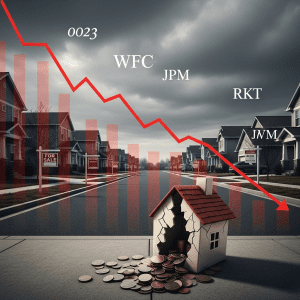







Federal authorities revealed a $4 billion housing initiative, prompting Real Estate Board of America ($REBA) leaders to praise the federal housing action 2025. Yet, industry voices emphasize surprising gaps, specifically the need for expanded support to first-time buyers. Will this bold funding be enough to cool record-high entry costs?
Federal $4B Housing Plan Unveiled Amid Price Surge in 2025
The U.S. Department of Housing and Urban Development (HUD) has allocated $4 billion in new housing funds, aiming to increase affordable inventory and stabilize prices in overheated markets. In 2025, the national median home price stands at $428,200, up 5.4% year-over-year according to the National Association of Realtors (NAR) July 2025 data. Housing starts remain below pre-pandemic levels, with just 1.39 million units begun in the first nine months of 2025, per U.S. Census Bureau figures—a 7% drop from the prior year. The initiative targets both urban and rural housing shortages, seeking to reduce the affordability strain affecting over 70% of first-time buyers, HUD sources indicate. Real Estate Board of America ($REBA) executives, including President Elise Kim, characterized the action as a “vital first step,” but noted the pace of implementation remains a key concern.
How Federal Housing Action 2025 Impacts Real Estate Markets Nationwide
Sector analysts believe the new funds could temper the highest housing inflation since 2008 but warn of uneven benefits across regions. The S&P CoreLogic Case-Shiller Index, released in September 2025, shows price gains exceeding 8% in metropolitan markets like Phoenix and Atlanta, versus 2.5% in the Northeast. Mortgage rates, averaging 6.9% in October 2025 per Freddie Mac data, have sidelined many qualified buyers, heightening calls for direct purchase assistance. The $4 billion allocation is expected to deliver 55,000 new affordable units by 2027, according to HUD projections. However, the real estate sector points to persistent supply-demand imbalances and stressed affordability ratios; the average first-time buyer now allocates 38% of household income to mortgage payments, up from 29% a decade ago.
Investor Strategies After Federal Housing Action 2025 Announcement
Institutional and retail investors face a shifting landscape as federal housing action 2025 potentially alters both risk and reward profiles for real estate assets. REITs with a focus on affordable housing, such as Equity Residential ($EQR) and AvalonBay Communities ($AVB), may see opportunity from increased federal support and construction incentives. However, high borrowing costs and construction labor shortages could limit upside. Investors tracking stock market analysis have noted a 4.1% price jump for major public homebuilders post-announcement, per Bloomberg. Traders should monitor evolving policy criteria and region-specific grant disbursements, while long-term holders may want to diversify into markets benefiting most from inventory expansion. For more on policy-driven shifts, review the latest financial news and investment strategy updates at ThinkInvest.
What Experts Expect Next from Federal Housing Policy in 2025
Industry analysts observe that the $4 billion in federal action addresses urgent inventory gaps but falls short of reversing the decade-long affordability crisis. Goldman Sachs research (August 2025) notes that additional buyer-focused subsidies are likely in the legislative pipeline, with bipartisan pressure mounting as homeownership rates dip to 63.8%, their lowest since 1996. Market consensus suggests policymakers may adjust down payment assistance and federal mortgage insurance thresholds as next steps if price relief is not achieved by mid-2026.
Federal Housing Action 2025 Signals New Era for First-Time Buyers
The $4 billion federal housing action 2025 marks a meaningful move to rein in soaring prices but stops short of fully unlocking homeownership for first-time buyers. Investors should watch for further support measures targeting affordability and access, as these could act as the next catalysts for both real estate equity and credit markets. Close monitoring of regional allocations and first-time buyer relief will be critical for stakeholders this cycle.
Tags: federal housing action 2025, REBA, affordable housing, real estate investing, first-time buyers