




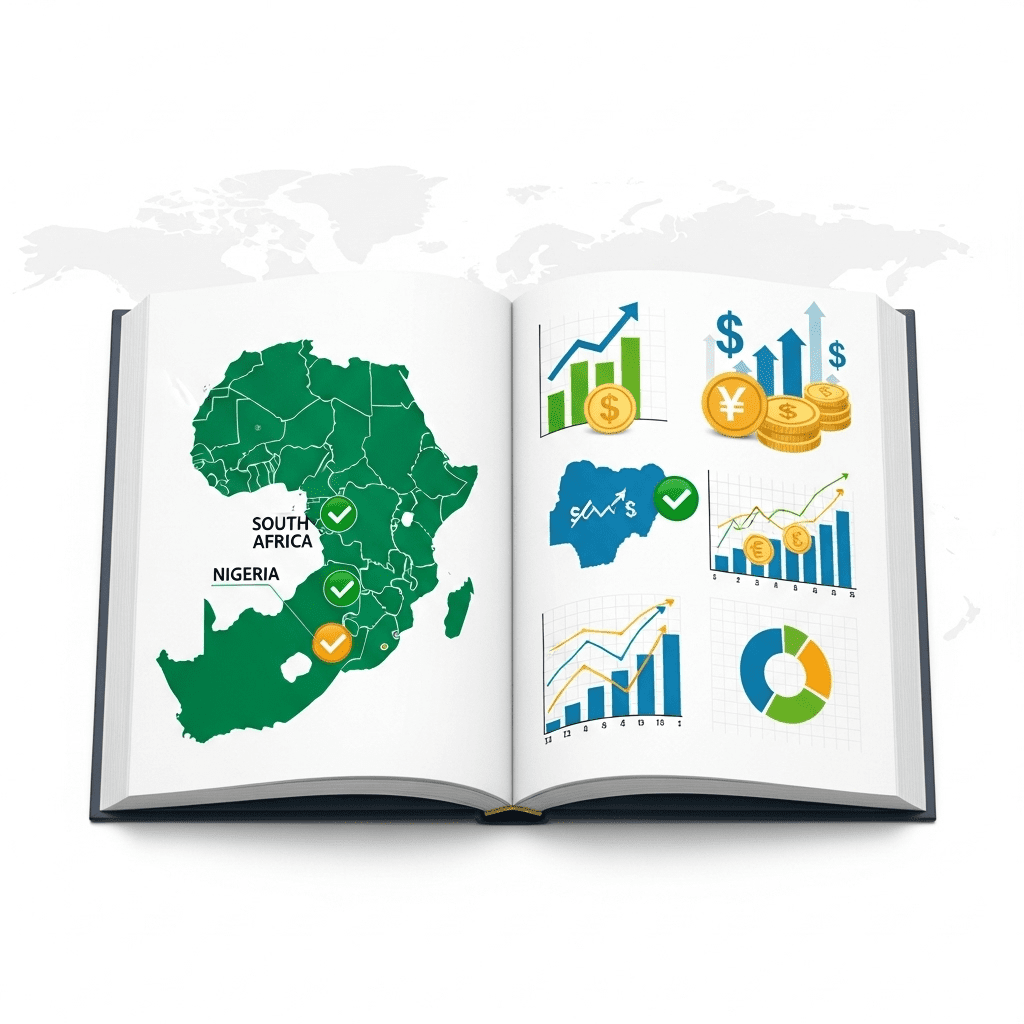
TL;DR: South Africa and Nigeria removed from money laundering grey list in 2025, marking a major breakthrough in financial regulation. This move strengthens market confidence, improves capital inflows, and reshapes investment opportunities across Africa’s two largest economies.
What Happened
On June 28, 2025, the Financial Action Task Force (FATF) announced that South Africa and Nigeria were removed from its money laundering grey list after extensive compliance reforms. This development closes a challenging chapter that began in 2023, when both nations were added to the FATF watchlist for deficiencies in anti-money laundering (AML) and counter-terrorism financing (CTF) oversight.
According to the FATF, “Both jurisdictions have demonstrated substantial improvements in combating financial crimes, closing legal loopholes, and aligning with international AML and CTF standards.” South Africa enhanced its Financial Intelligence Centre and prosecuted several high-profile financial crime cases. Meanwhile, Nigeria strengthened banking supervision and deployed real-time systems to monitor cross-border transactions.
IMF data shows that South Africa’s foreign direct investment (FDI) inflows fell by 12% in 2023 after grey listing, while Nigeria experienced stagnation in foreign capital flows. Economists expect the removal from the watchlist to reverse these trends, restoring investor confidence and facilitating stronger international financial ties. For more details, see ThinkInvest’s market analysis.
Why It Matters
The removal from the money laundering grey list is a significant catalyst for Africa’s financial markets. Historically, countries under FATF monitoring face higher risk premiums, tighter correspondent banking restrictions, and limited access to global capital. The latest research from international risk agencies suggests that delisting typically reduces transaction costs and improves sovereign credit sentiment.
Market reaction has been swift. The JSE All Share Index in South Africa and the NGX Index in Nigeria both gained over 2% following the announcement. Analysts believe this could pave the way for a wave of renewed investment across Sub-Saharan Africa, particularly if other nations follow with similar reforms. Improved AML standards also strengthen transparency, a key pillar for sustainable growth and financial sector resilience.
Impact on Investors
For global and local investors, the removal of South Africa and Nigeria from the FATF grey list reduces perceived risk and opens access to previously constrained capital flows. South Africa’s major banks—such as ABSA Group (JSE: ABG) and Standard Bank (JSE: SBK)—are expected to benefit from enhanced international partnerships and cheaper foreign funding. In Nigeria, leading financial institutions and energy firms, including Zenith Bank (NGX: ZENITHBANK), may see improved access to U.S. and EU financing channels.
Bond and equity markets could see stronger inflows as risk premiums narrow and credit ratings improve. Fitch and Moody’s have previously cited AML deficiencies as downside factors in both nations’ assessments. Additionally, private equity and venture capital—especially in fintech and infrastructure—may accelerate as compliance hurdles ease. Investors should, however, remain alert to political risk and regulatory enforcement consistency, as discussed in recent economic analysis.
Expert Take
Analysts agree that the South Africa and Nigeria grey list removal is more than symbolic—it’s a strategic turning point for capital markets across the continent. “Exiting the FATF grey list signals improved governance and paves the way for long-term FDI growth,” notes one senior investment insights analyst. Experts recommend monitoring banking sector performance and cross-border transaction volumes as key indicators of sustained reform success.
The Bottom Line
The removal of South Africa and Nigeria from the money laundering grey list marks a pivotal milestone for Africa’s financial landscape. The decision restores international credibility, attracts institutional capital, and supports macroeconomic recovery. For investors, the opportunity lies in renewed market access—but continued due diligence remains essential as both countries consolidate reform momentum through 2025 and beyond.
Tags: South Africa, Nigeria, money laundering, grey list, Africa investment, FATF, emerging markets.