





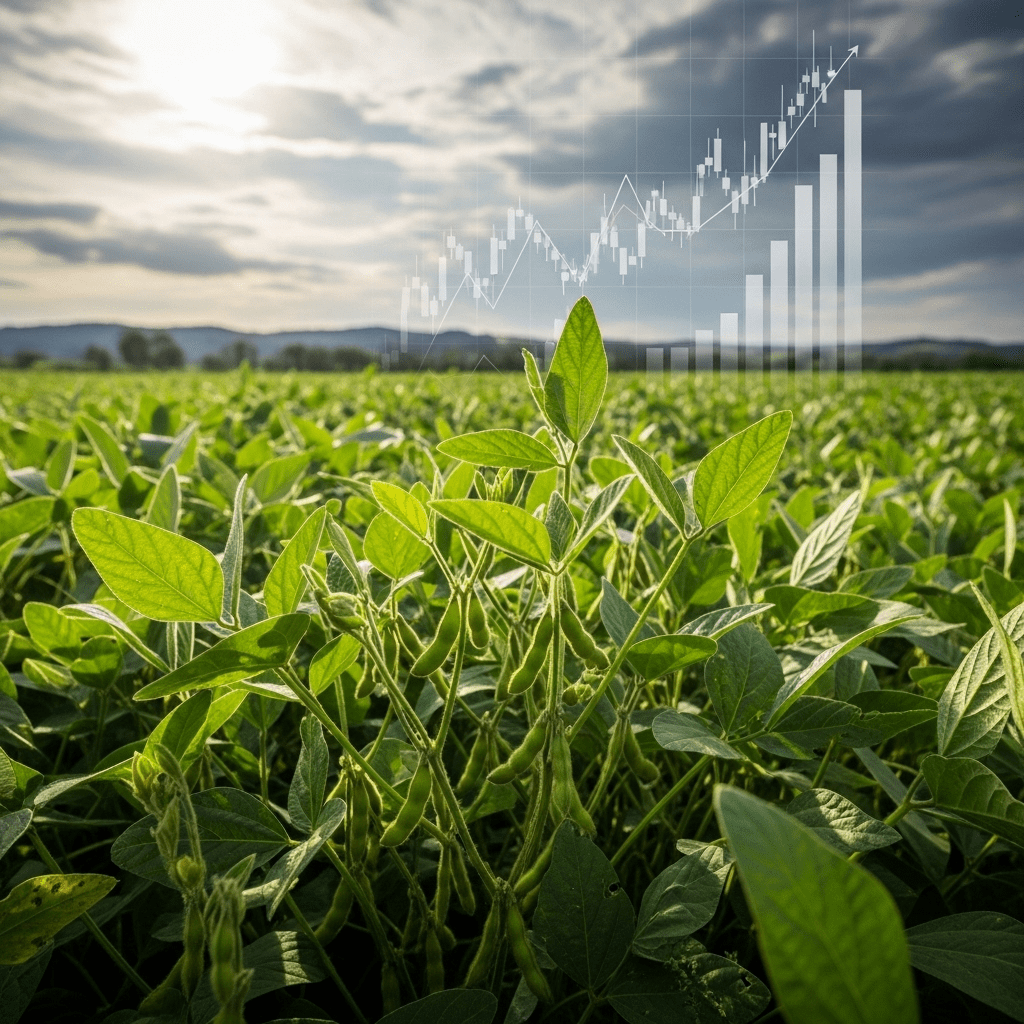
The Soybeans Rally on Monday caught the attention of global investors as commodity prices climbed sharply to kick off the new trading week. This significant uptick in the soybean market has important implications for both agricultural producers and investors seeking exposure to essential commodities amid ongoing economic uncertainty.
Soybeans Rally on Monday: Market Analysis and Price Surge
Monday’s trading session saw soybeans futures jump over 4%, reaching their highest levels in several weeks. Analysts attribute the Soybeans Rally on Monday to a convergence of factors, including adverse weather conditions in major crop-growing regions, revised USDA crop forecasts, and renewed export activity from key buyers such as China. These dynamics have boosted investor confidence in the agricultural commodities sector.
Adverse Weather and Supply Concerns
One of the driving forces behind this week’s soybean rally has been worsening weather patterns across the United States Midwest and parts of Brazil. Extended periods of drought, coupled with unpredictable rainfall, have led to fears of lower crop yields during the critical growing season. The USDA’s recent downward revision of soybean production estimates, released last Friday, reinforced market concerns and added fuel to Monday’s price upswing.
Global Demand and Export Momentum
Global demand for soybeans remains robust, with China and other Asian markets maintaining high import levels to meet feed and food production needs. On Monday, new export sales figures showed larger-than-expected shipments, confirming sustained international appetite. This surge in buying provided an added catalyst for soybean futures and contributed to the broader uptick across other agricultural commodities.
Investment Implications of the Soybeans Rally on Monday
The Soybeans Rally on Monday offers valuable insights for commodity traders, portfolio managers, and retail investors. Historically, commodity price rallies like this have triggered increased volatility in the broader stock market, especially in sectors related to agriculture, fertilizers, and food processing. Investors may want to monitor companies with substantial soybean exposure, including leading agribusiness corporations and exchange-traded funds (ETFs) focused on commodities. For real-time market analysis and risk management tips, staying informed through trusted platforms is essential.
Impacts on Agribusiness and Related Equities
The soybean price rally has cascading effects across the agriculture supply chain. Fertilizer and equipment manufacturers, transportation firms, and food processors may all experience short-term valuation changes as margins and input costs fluctuate. Monitoring earnings reports and guidance from industry leaders will be key as they navigate price swings. For in-depth investment strategies beyond commodities trading, diversification remains a prudent tactic.
Broader Commodity and Inflation Trends
Rising soybean prices often signal broader inflationary moves in the food and agriculture sectors. As input costs for livestock feed and vegetable oil production increase, downstream impact on consumer prices can follow. Economists are closely watching whether this rally is a short-term weather-driven blip or an early indicator of lasting inflationary pressure in 2025. Check out the latest commodity market news to stay ahead of these macroeconomic trends.
What Investors Should Watch After the Soybeans Rally on Monday
Looking ahead, market participants will be closely monitoring weather patterns, crop progress reports, and international trade developments. A prolonged rally in soybeans could affect not just commodity prices but also influence the broader equity markets and shape monetary policy responses. Staying informed on data releases and analyst commentary will help investors manage portfolio risk and capitalize on emerging opportunities.
Conclusion
The Soybeans Rally on Monday is more than just a single-day market event—it reflects deeper trends in global supply chains, climate risk, and investor sentiment heading into the mid-2020s. As volatility remains a theme, investors should balance short-term opportunities with long-term strategies rooted in thorough research and expert guidance.