




With climate change intensifying extreme weather events, ‘sponge, baby, sponge to deal with flooding risks’ is more than just a catchy phrase—it’s a critical strategy for real estate investors aiming to protect assets and maximize long-term returns. Understanding how to mitigate flood risks is essential for anyone invested in property, particularly as insurance premiums climb and regulatory scrutiny tightens in flood-prone areas.
Why ‘Sponge, Baby, Sponge to Deal with Flooding Risks’ Matters in 2025 Real Estate
The focus on ‘sponge, baby, sponge to deal with flooding risks’ highlights a growing trend: using nature-inspired solutions and modern infrastructure to absorb and manage excess water. Flooding remains a top concern for both residential and commercial real estate, with global insurance losses from flooding events exceeding $80 billion in 2023 alone (Swiss Re, 2024). Investors now face the challenge of future-proofing their portfolios against these escalating climate threats while ensuring that asset values remain robust.
Understanding How Flood Risks Impact Property Values
Properties in flood-prone areas face not only higher insurance premiums and the very real threat of physical damage but also potential depreciation. As investors and buyers become more sophisticated, flood risk disclosures are under greater scrutiny—a factor shifting property market dynamics in coastal and low-lying urban areas. For up-to-date market analysis, it’s crucial to track both environmental trends and new regulatory requirements when evaluating investment opportunities.
Innovative ‘Sponge City’ Approaches for Resilient Real Estate Investment
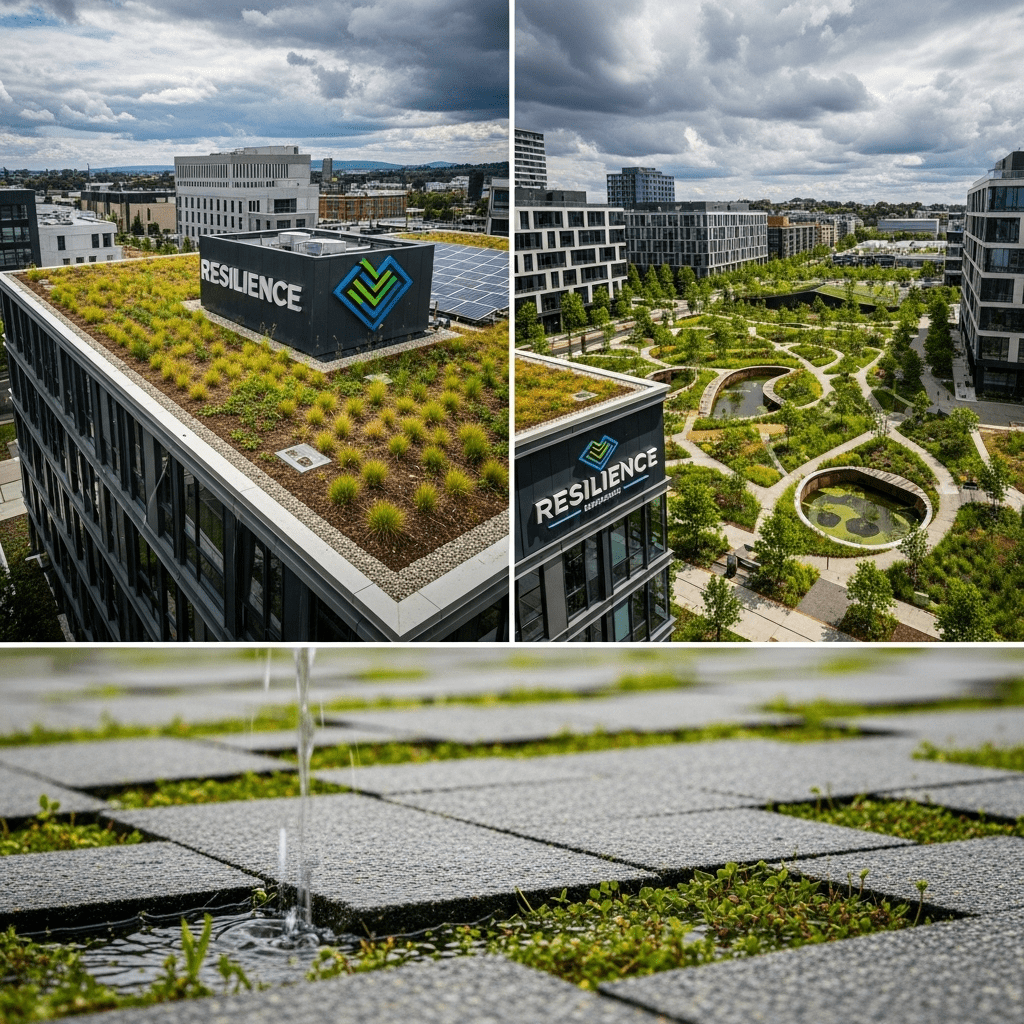
Forward-thinking cities are implementing the ‘sponge city’ model—integrating green roofs, permeable pavements, landscaped stormwater parks, and advanced drainage systems. These innovations, inspired by natural hydrology, enhance urban resilience by allowing water to be absorbed, stored, and gradually released. For investors, targeting regions and developments that embrace these technologies can help ensure steady yields and strong tenant demand, even as adverse weather events become more frequent.
Government Incentives and Policy Trends
Global governments are incentivizing flood resilience through grants, tax credits, and zoning reforms—an important consideration for any diversified property investment strategy. In the U.S., the Biden administration’s 2024 infrastructure bill allocated $17 billion to urban flood mitigation, enabling municipalities to invest in sponge-inspired retrofits. Europe and Asia have followed suit, creating a fertile environment for real estate projects that prioritize adaptive design. For deeper policy analysis, understanding these shifts can uncover opportunities in emerging markets and redevelopment zones.
Flood-Resilient Investment Strategies for 2025
Adopting a ‘sponge, baby, sponge to deal with flooding risks’ mindset isn’t just about eco-friendly design. Investors should consider new risk assessment tools—including AI-driven flood mapping, IoT flood sensors, and predictive analytics—to inform acquisitions, leasing strategies, and portfolio management. Key steps include:
- Evaluating properties based on both historical data and forward-looking climate models
- Investing in flood-resistant materials and modular design for existing properties
- Prioritizing assets with robust community flood management infrastructure
Real estate investment trusts (REITs) and green bonds tied to resilient infrastructure are also gaining traction among ESG-conscious investors. These vehicles can provide diversified exposure while aligning portfolios with global sustainability goals.
The Role of Financial Disclosure and Transparency
The Securities and Exchange Commission (SEC) and other global financial authorities are ramping up requirements for climate risk disclosure, including specific reporting on flooding vulnerabilities in property portfolios. As investor expectations evolve, transparent communication regarding flood risk management will distinguish savvy operators from the rest of the market.
The Future: ‘Sponge, Baby, Sponge to Deal with Flooding Risks’ as a Core Principle
By making ‘sponge, baby, sponge to deal with flooding risks’ a guiding principle, real estate investors can better safeguard capital, attract discerning tenants, and unlock value in a rapidly shifting climate landscape. Integrating resilient building standards, supporting public-private partnerships, and staying ahead of regulatory trends will be essential for investors seeking to navigate the next decade with confidence. For more investment insights on future-proofing your holdings, continuous education will be key in 2025 and beyond.