







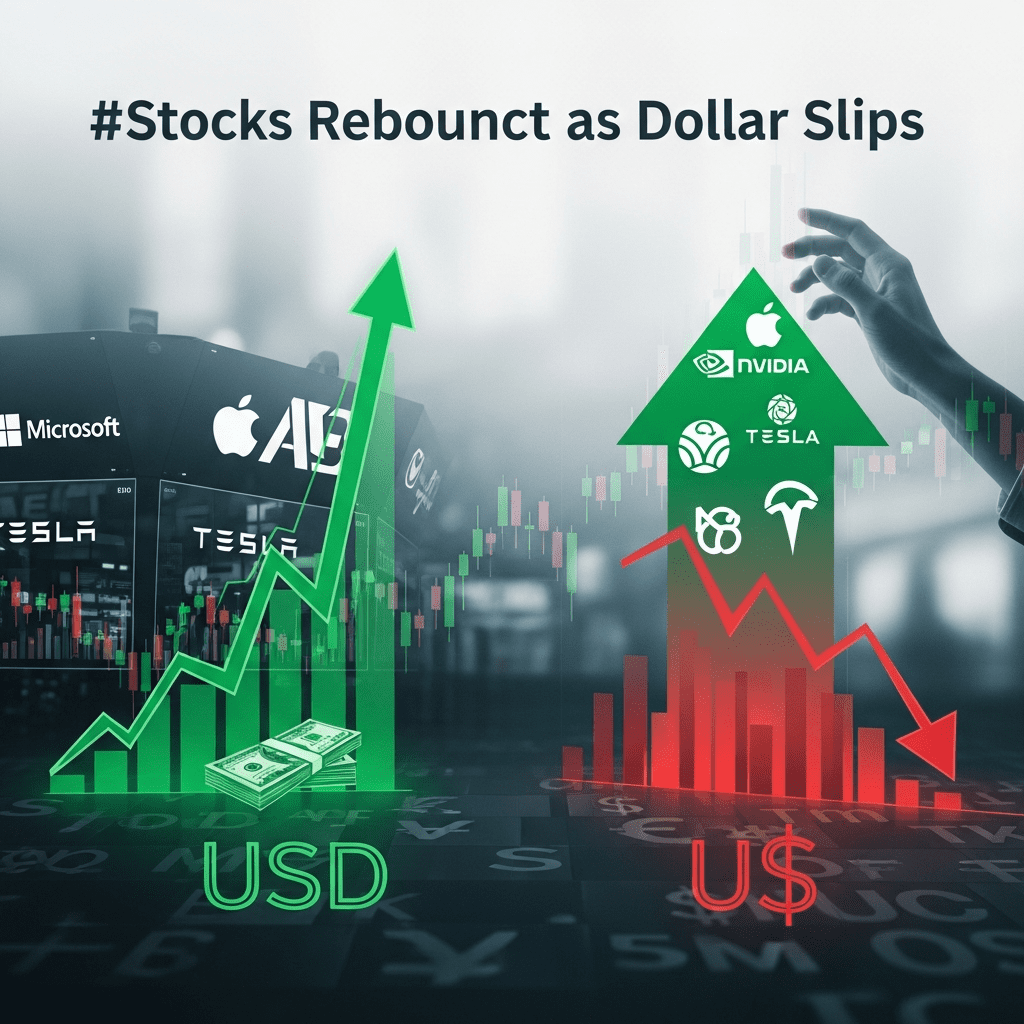
Stocks secured an impressive 1.8% rebound on Tuesday, led by technology majors such as Microsoft ($MSFT) and Apple ($AAPL), as dip buyers re-entered the market and the dollar slipped against major currencies. The sharp recovery in equities and the dollar’s retreat sparked fresh debate around short-term market direction. What’s driving this renewed optimism as volatility lingers?
Stocks Rebound 1.8% Led by Technology as Dollar Slides
The S&P 500 climbed 1.8% to 5,095.62 by the close on November 5, recouping a large portion of last week’s losses. Trading volume for the S&P 500 tracked 15% above the 30-day average, with chipmaker Nvidia ($NVDA) soaring 3.9% and Tesla ($TSLA) gaining 2.8%. The rally was mirrored in the tech-heavy Nasdaq Composite, up 2.2% at 16,031.45, according to Bloomberg data. Meanwhile, the U.S. Dollar Index (DXY) slid 0.7% to 104.18, erasing gains from earlier in the month as investors rotated into risk assets and trimmed dollar exposure following softer economic data and dovish language from recent Federal Reserve comments.
Why Market Volatility Triggers Broad Sector Rotation
The broad-based rebound is part of a pattern where volatility often prompts investors to rotate out of defensive sectors and into growth names following sharp pullbacks. Financials added 1.4%, while consumer discretionary shares surged 2.1%. The softer-than-expected October ISM Services reading (51.1 versus consensus 53.0, per Reuters) contributed to the dollar’s weakness and underscored ongoing moderation in the U.S. economic outlook. Recent moves followed October’s inflation report, which showed headline CPI rising 3.2% year over year, maintaining pressure on rate expectations. This environment increases sensitivity to swings in sentiment, as policy signals and macro data remain closely watched catalysts in global stock market analysis.
How Investors Can Navigate Stock Rebounds and Dollar Swings
Active investors and portfolio managers are closely monitoring equity reversals and currency moves for tactical opportunities. With volatility elevated, traders have favored large-cap tech stocks such as Microsoft ($MSFT), Alphabet ($GOOGL), and meta-platforms. At the same time, the dollar’s decline has benefited international equities and commodity-linked assets. For sector rotation strategies, attention is shifting toward growth industries after their correction. Those managing currency exposures may look to diversify as the dollar weakness persists. For further sector breakdowns and tactical guidance, see our latest stock market analysis and forex trading insights.
What Analysts Expect After This Stock Market Rebound
Investment strategists observe that the recent buying surge reflects growing confidence in a soft-landing scenario for the U.S. economy, but urge caution as headline risks remain. According to analysts at Morgan Stanley and Barclays (reports published October 2025), many expect continued volatility around inflation prints and year-end Fed guidance. Institutional consensus suggests that a sustained rally will depend on confirmation of moderating inflation and resilient earnings.
Stocks Rebound as Dollar Slips: What to Watch for Investors in 2025
The stocks rebound as dollar slips theme may define volatility patterns ahead, with investor positioning increasingly tied to macro headlines and policy shifts. As dip buying returns to prominence, monitoring key inflation, employment, and central bank updates will be essential. Investors should remain agile, as rapid rotations between sectors and asset classes may continue to drive opportunity and risk in the coming months.
Tags: stocks rebound, dollar slips, S&P 500, tech stocks, MSFT










