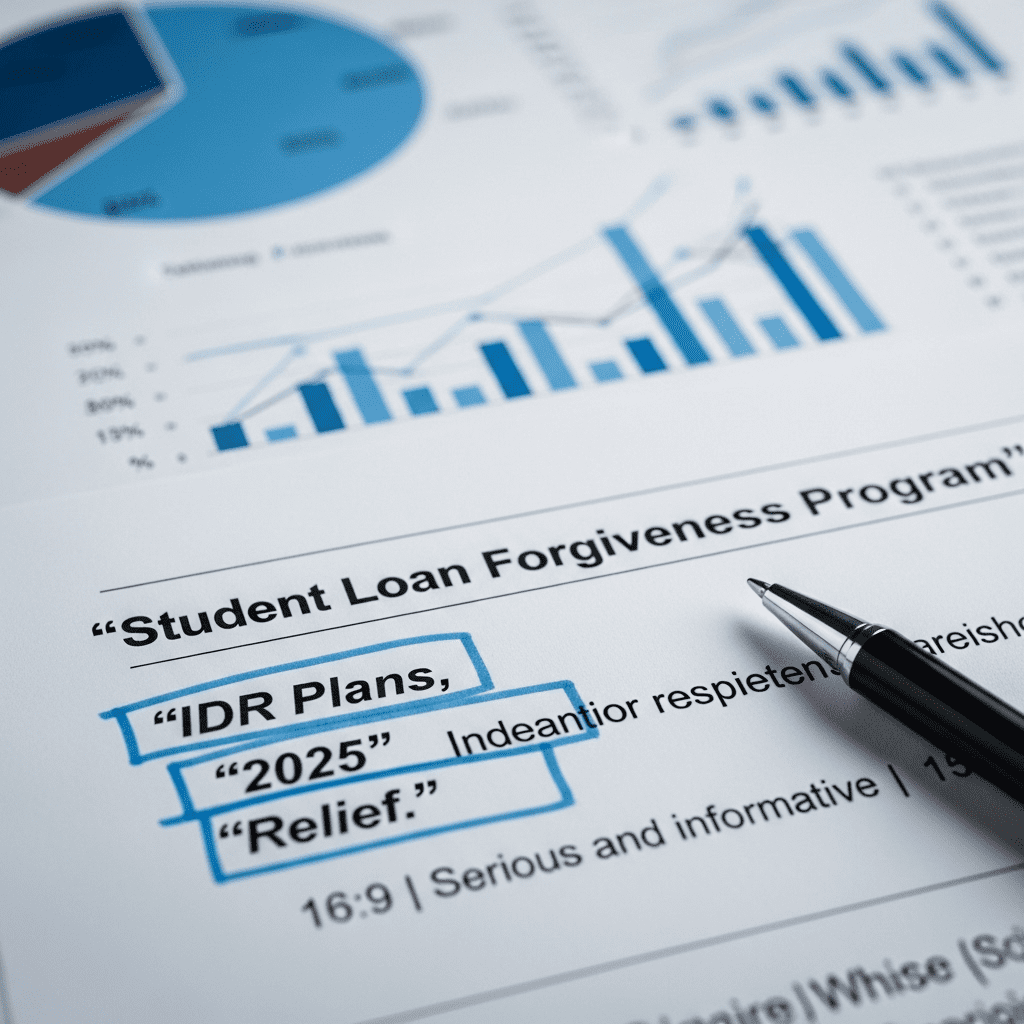
Student Loan Forgiveness Resumes as the Department of Education unveils comprehensive relief across all Income-Driven Repayment (IDR) plans. This development marks a pivotal shift for millions of borrowers in 2025. As the student debt crisis continues to shape personal finance decisions, the move signals renewed federal support and hope for those seeking to manage or eliminate educational debt.
Student Loan Forgiveness Resumes: What Borrowers Need to Know
The Department of Education’s latest initiative to resume student loan forgiveness for all IDR plans is expected to impact more than 4 million Americans. By correcting administrative errors and updating eligibility rules, the federal government aims to set a new standard for debt relief. This announcement follows discussions that began after the 2022 payment pause and reflects the Biden Administration’s broader effort to reform higher education financing.
Key aspects of the initiative include retroactive credit adjustments, simplified applications, and expanded borrower communication. The timing is crucial, as many graduates continue to assess how student debt affects credit scores, homeownership potential, and personal investment goals.
Overview of Income-Driven Repayment Plans
IDR plans—such as PAYE, REPAYE, IBR, and ICR—calculate monthly payments based on income and family size. These plans often reduce financial pressure by capping payments at a manageable percentage of income. Borrowers who make consistent payments for 20 or 25 years may qualify for tax-free loan cancellation. However, until now, inaccurate counts and complex verification processes delayed relief for many.
With Student Loan Forgiveness Resumes, the Department of Education pledges to fix past errors. It will now count eligible forbearance and deferment periods toward forgiveness, extending relief beyond the limited Public Service Loan Forgiveness (PSLF) program.
Eligibility Changes and Retroactive Relief
The core promise in 2025 is that all qualifying borrowers—regardless of loan type or IDR enrollment date—will receive credit toward forgiveness. The Department will review all federal Direct and FFEL loans and grant extra qualifying months based on updated records.
Borrowers affected by forbearance steering, where servicers advised forbearance instead of IDR enrollment, will also benefit. This update will automatically adjust payment counts for millions and speed relief for those long overdue. According to the DOE, more than $45 billion in forgiveness is expected to reach borrowers this year.
The Application and Communication Process
Most borrowers will not need to submit new applications. Reviews and adjustments occur automatically. Email notifications and online portal updates will confirm new forgiveness timelines. Still, experts recommend checking official messages and visiting the Federal Student Aid website regularly, given the complexity of federal loan programs.
Financial Impact for Individuals and the Economy
Resuming student loan forgiveness across all IDR plans is expected to free billions in household spending power. Lower balances may help young adults pursue homeownership, retirement savings, and wealth-building strategies that debt once delayed.
While the relief brings immediate benefits, it also reignites debates about education affordability, borrowing limits, and financial aid equity. Effective oversight will be essential to ensure that relief reaches those most in need.
Looking Forward: Long-Term Changes to Student Loan Policy
The Department of Education’s decision to resume broad student loan forgiveness is just one step in a larger reform effort. Upcoming changes to federal aid, university accountability, and Pell Grant expansion are also under review in Congress and the White House.
Borrowers are encouraged to stay proactive by monitoring their loan status and verifying IDR enrollment. Financial advisors suggest integrating updated repayment data into long-term financial planning as 2025 unfolds.
With Student Loan Forgiveness Resumes now in effect, the landscape of education debt is changing rapidly. The initiative promises not only immediate relief but also a renewed path toward financial stability for millions of Americans.