





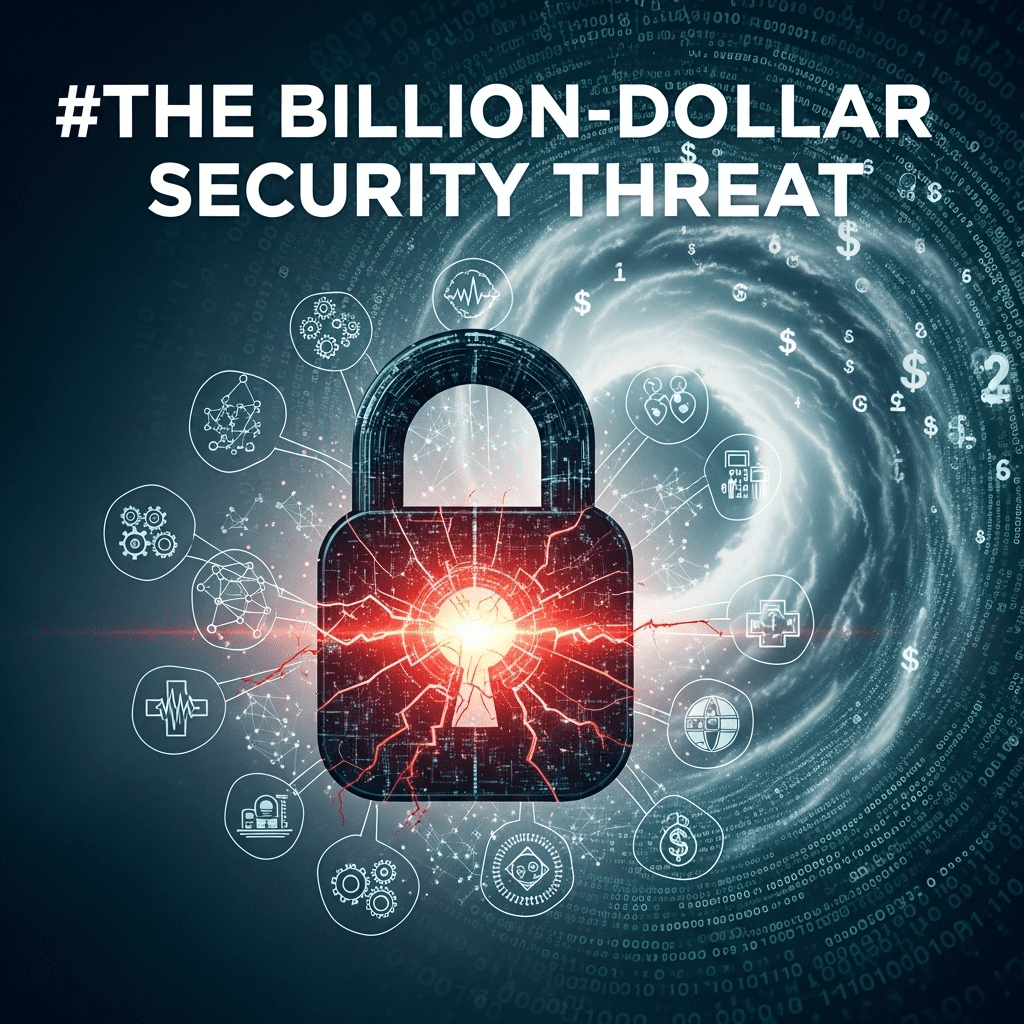
The Billion-Dollar Security Threat is reshaping the landscape for startups, unicorns, and established enterprises alike. As the digital world accelerates, the risks have shifted from isolated breaches to industry-wide vulnerabilities that can cost companies billions. Whether you’re building a new SaaS unicorn or navigating funding rounds, understanding this security threat is crucial to safeguarding both your growth and your reputation.
Understanding The Billion-Dollar Security Threat
Over the past decade, cyberattacks have evolved in sophistication, scale, and frequency, making The Billion-Dollar Security Threat a reality for all sectors. Previously, data breaches primarily targeted financial institutions and retail giants, but in 2025, no industry is immune. From fintech startups to biotech unicorns, the risks have expanded as digital transformation accelerates.
According to a recent global study, the average cost of a single data breach has surpassed $4.5 million, but large-scale incidents—especially those impacting critical supply chains or customer data—can quickly escalate to billion-dollar losses. These threats are no longer exceptional; they are becoming part of the background noise of doing business in a connected world. For founders and investors, this means security must now factor as heavily as scalability in early-stage and growth planning.
Why Startups and Unicorns Are Prime Targets
Startups and unicorns are attractive targets for cybercriminals for several reasons:
- Rapid Growth, Less Oversight: Startups often prioritize speed to market over mature security protocols, leaving exploitable gaps and misconfigurations.
- High Valuations, Sensitive Data: Unicorns manage sensitive user data and proprietary algorithms, making their databases especially valuable for hackers.
- Vulnerable to Supply Chain Attacks: Reliance on third-party vendors or cloud services creates additional entry points for malicious actors.
Investment Trends: Security as a Top Funding Priority
Venture capitalists and private equity firms are sounding the alarm. Driven by the scale of recent ransomware attacks and regulatory backlash, investors now scrutinize the cybersecurity readiness of startups before funding rounds. Due diligence processes are expanding to include:
- Cyber hygiene checks
- Incident response strategies
- Compliance with global data privacy regulations (such as GDPR, CCPA, and beyond)
“A company’s valuation can take a multi-million-dollar hit overnight if there’s a breach,” says a managing partner at a leading VC firm. “Security isn’t a nice-to-have—it’s a necessity for exit success and IPO readiness.”
Proactive Steps for Startups Facing The Billion-Dollar Security Threat
Industry leaders agree that the best defense is a layered, proactive approach. Here are key strategies:
- Security-First Culture: Make cybersecurity an organization-wide priority from day one, starting with the founding team.
- Zero Trust Architecture: Shift from traditional network security models to a ‘never trust, always verify’ framework.
- Continuous Monitoring: Deploy real-time monitoring tools to detect anomalies and respond swiftly to suspicious activity.
- Employee Training: Well-trained employees are the first line of defense against phishing and social engineering attacks.
The Billion-Dollar Security Threat in Every Industry Vertical
From healthcare to e-commerce, The Billion-Dollar Security Threat manifests differently but with equally dire consequences:
- Healthcare: Attacks on electronic medical record systems compromise patient safety and compliance.
- Manufacturing: Industrial IoT vulnerabilities put supply chains and critical infrastructure at risk.
- Financial Services: Fintech platforms are being targeted by increasingly advanced fraud schemes.
- Retail & E-commerce: Customer data and payment systems remain high-value targets for threat actors.
With regulations tightening worldwide, compliance failures are another source of catastrophic cost—fines, lawsuits, and reputational loss can rival or exceed the damage done by the attack itself.
The Investor’s Perspective: Security Is Due Diligence
For investors tracking emerging unicorns, security posture is now a top concern alongside growth metrics. A solid cybersecurity foundation not only protects portfolio companies from disaster but also enhances their appeal during exits and acquisitions. The businesses that thrive in 2025 will be those that treat security as both a risk mitigator and a growth enabler.
Preparing For The Next Wave: What Startups Need To Know
Staying ahead of The Billion-Dollar Security Threat requires continuous education, investment, and adaptation. Founders and CxOs should regularly review their risk management strategies, invest in advanced threat intelligence, and engage cyber insurance partners early. Building relationships with security experts—and joining industry alliances—can offer access to best practices and shared threat intelligence.
Finally, transparent communication with stakeholders, customers, and investors is vital. Startups that demonstrate cybersecurity maturity inspire confidence and position themselves for strategic partnerships, successful funding, and sustainable growth.
Conclusion: Resolve for 2025 and Beyond
As The Billion-Dollar Security Threat intensifies, startups and unicorns must adopt a holistic approach to cybersecurity. Only those who embed protection into their DNA will attract top-tier investment, drive innovation, and exit on their own terms. Forward-looking leaders and investors who make bold, proactive investments in security will define the next generation of resilient unicorns.
For more on strategic growth, funding, and exit trends in startup life, explore the latest insights at ThinkInvest.