




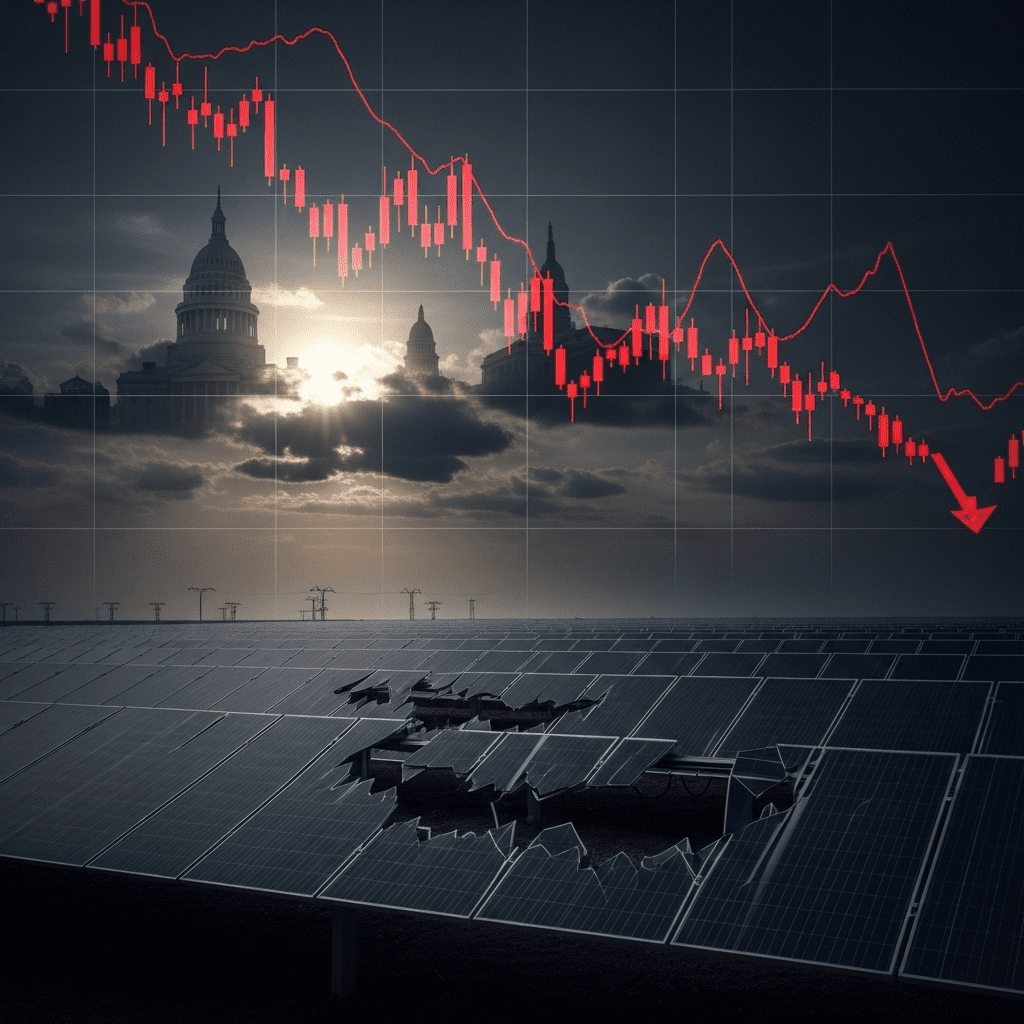
The financial markets are reacting sharply as Trump officials cancel major solar project initiatives, marking a pivotal setback for the renewable energy sector. This recent development raises questions about future investments, the direction of U.S. energy policy, and the resilience of clean energy markets ahead of 2025.
Trump Officials Cancel Major Solar Project: Implications for the Energy Sector
News that Trump officials cancel major solar project efforts has sent ripples through the renewable energy community and broader investment landscape. The canceled project, previously set for large-scale deployment in the Southwest, was anticipated to generate hundreds of megawatts of clean power and create significant job opportunities. Instead, the policy reversal reflects ongoing federal resistance to subsidizing renewable infrastructure, reigniting debate over the future of solar investment in the United States.
The move comes amid a broader rollback of clean energy initiatives established during previous administrations. Experts warn that withdrawing federal support could erode investor confidence at a crucial time, as the global economy pivots toward sustainable technologies and energy independence gains geopolitical significance.
Investment Impact and Market Sentiment
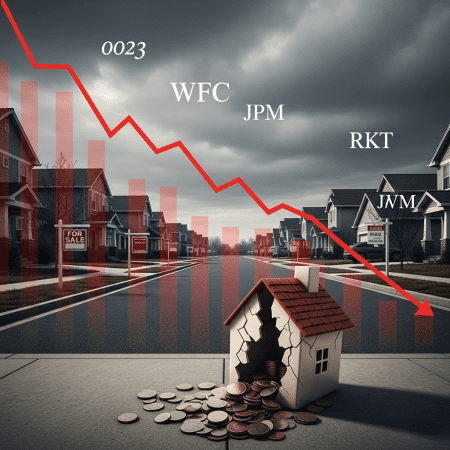
For investors, the decision by Trump officials to cancel a major solar project introduces added volatility to the renewable energy sector. Publicly traded solar manufacturers and engineering firms saw stocks dip following the announcement, reflecting immediate uncertainty around U.S. policy and incentives. According to a report from the Solar Energy Industries Association (SEIA), federal tax incentives and streamlined permitting are vital drivers of solar growth in the U.S. Without these supports, analysts anticipate slower expansion, particularly in regions dependent on federal land or financing.
This policy shift may also reorient capital flows. International investors, once lured by prospects of robust growth in the U.S. solar industry, may seek more stable opportunities abroad. Meanwhile, domestic energy players could reevaluate project pipelines and risk assessments as regulatory headwinds mount. For those seeking alternative financial strategies, diversification across energy assets could become increasingly important.
Renewable Energy Policy: Shifting Landscapes
The decision aligns with a broader trend of regulatory reversals impacting wind, solar, and storage initiatives during the Trump administration. Environmental impact statements, fast-tracked under prior leadership, now face heightened scrutiny—slowing timelines and increasing costs for developers. Some officials cite concerns over land use, grid reliability, and fiscal responsibility as reasons for the cancellation. However, critics argue this move sets back national climate goals and threatens U.S. leadership in a burgeoning global sector estimated to be worth over $2.2 trillion by 2030.
Financial analysts suggest these policy dynamics highlight the need for investors to closely monitor federal and state energy directives. Those engaged in detailed risk management and scenario planning are better positioned to weather policy-induced fluctuations and capitalize on emerging opportunities.
Looking Ahead: 2025 Renewable Energy Outlook
While the 2025 renewable energy outlook remains resilient, the fact that Trump officials cancel major solar project plans serves as a caution for stakeholders. The U.S. Energy Information Administration (EIA) projects solar will retain long-term growth potential, driven by declining panel costs, technological innovation, and strong public demand for clean power. Yet, headwinds from federal policy misalignments may temper near-term expansion and shift competitive dynamics toward states or countries with more supportive regulatory environments.
For forward-thinking investors, staying abreast of evolving policy, technology trends, and global market signals will be essential. Those seeking actionable investment insights should evaluate sector exposure and consider sustainable energy funds, green bonds, or hybrid portfolios designed to hedge against policy-driven volatility.
Conclusion: Navigating Uncertainty as Trump Officials Cancel Major Solar Project
The announcement that Trump officials cancel major solar project initiatives underscores persistent policy uncertainty in U.S. renewable energy. While short-term challenges may deter some capital, long-term prospects for solar and broader clean tech remain strong, especially as global demand for sustainable solutions intensifies. Investors, developers, and market analysts should emphasize adaptability and proactive monitoring to ensure strategic positioning amid ongoing market and regulatory changes.