




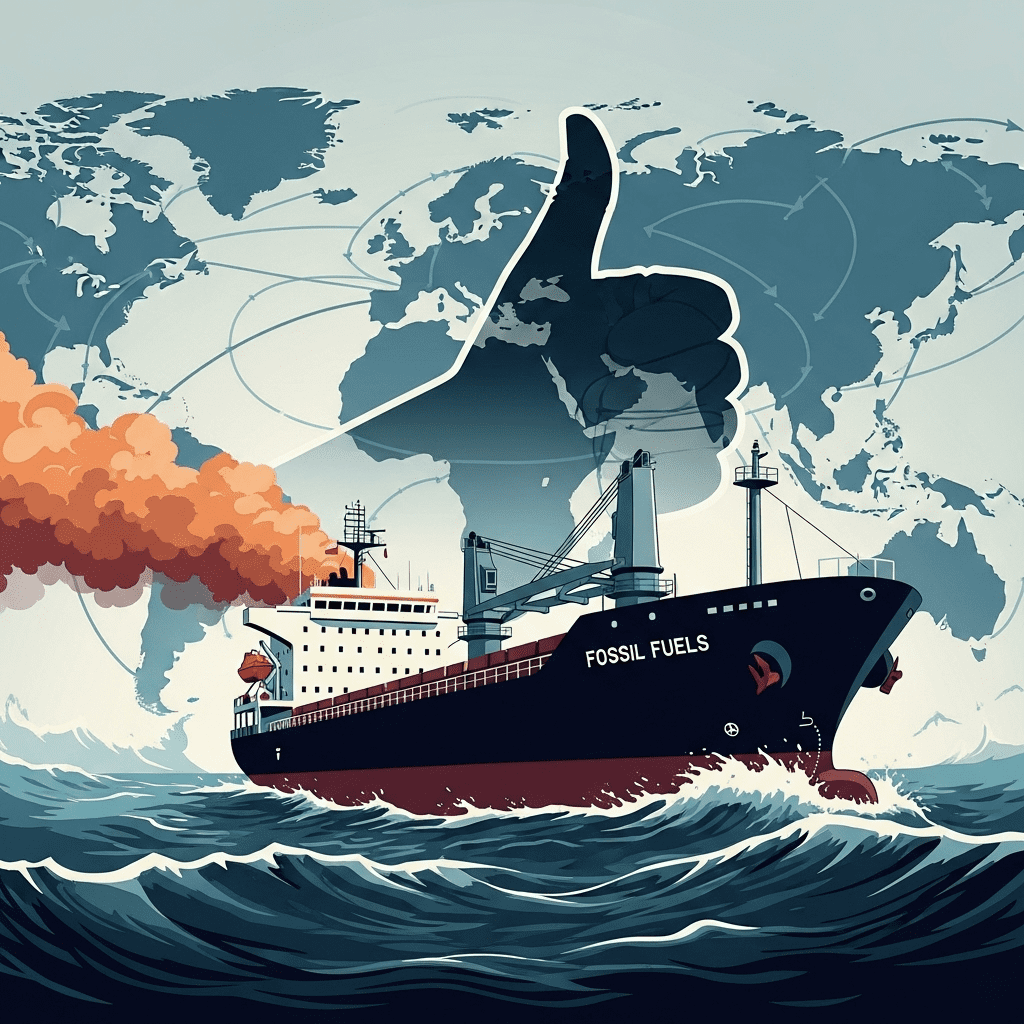
Trump’s victory for fossil fuels in shipping is poised to reshape global trade lanes, regulatory enforcement, and investment flows throughout the maritime sector, igniting debate across the world’s economic and environmental communities. With shipping responsible for nearly 3% of global carbon emissions, the Trump administration’s return to pro-fossil-fuel policies is set to alter the course of the industry far beyond U.S. waters.
The Economic Impact of Trump’s Victory for Fossil Fuels in Shipping
The renewed U.S. support for traditional energy resources is a significant pivot from the decarbonization commitments seen throughout the early 2020s. As President Trump signals deregulation and incentivization of oil, coal, and natural gas in the maritime industry, shipping companies and investors are reevaluating their strategies. Policy changes are expected to slow the adoption of green shipping fuels like LNG, hydrogen, and ammonia, while stimulating demand for conventional bunkers.
The trickle-down effects include potential reductions in compliance costs for carriers operating U.S. routes, as well as a likely increase in fossil fuel-related cargo volumes. Port authorities and logistics partners are adjusting capex plans, with many considering upgrades to accommodate increased fossil-fuel throughput and storage.
Regulatory Shifts and International Response
Trump’s victory for fossil fuels in shipping also signals a shift in international regulatory dynamics. While the International Maritime Organization (IMO) has adopted ambitious targets to cut shipping emissions by 2050, a less cooperative U.S. stance could undermine global consensus. Already, some America-based shipping associations are lobbying for delays or exemptions concerning IMO greenhouse gas regulations, such as the Energy Efficiency Existing Ship Index (EEXI) and Carbon Intensity Indicator (CII) rules.
International trading partners—particularly in the EU and Asia—may respond with carbon tariffs or increased scrutiny of U.S.-flagged vessels, raising diplomatic and economic tensions. Financial institutions, previously under pressure to green their shipping portfolios, may respond by adjusting lending terms or shifting capital towards regions maintaining stricter climate standards.
Investment Trends and Opportunities Amid Trump’s Victory for Fossil Fuels in Shipping
Investors and analysts are split on how Trump’s pro-fossil-fuel stance will shape the shipping sector’s competitiveness. In the short term, lower regulatory costs and increased fossil fuel trade volumes stand to benefit U.S.-based operators and port authorities. For investors seeking exposure to traditional shipping stocks, this policy climate could buoy valuations for tanker and bulk carrier companies, which have lagged in the transition era.
However, the trend toward sustainable finance, ESG compliance, and green shipbuilding persists in key regions. Asia, Norway, and segments of Western Europe continue to channel capital into emissions reduction and alternative-fuel projects, ensuring ongoing innovation outside U.S. waters. As a result, global portfolios will need to diversify strategies, monitoring both market volatility and the policy environment extensively.
Potential Risks for Long-Term Growth
While Trump’s victory for fossil fuels in shipping may generate near-term growth for certain segments, it also raises concerns about U.S. shipping’s competitive long-term position. Shipping giants embracing green fleets and digital optimization are likely to win future regulatory battles, funding, and charters from global partners prioritizing decarbonization. Heightened scrutiny from institutional investors—many of whom have net-zero mandates—could present funding challenges for conventional operators.
Additionally, potential trade disputes over emissions or environmental standards pose downside risks for exporters relying on U.S. ports, as foreign markets increasingly employ carbon border adjustments. The policy gap between American and global shipping regulations could create inefficiencies and increased compliance complexity, making it imperative for economy-focused investors to track evolving trade and investment patterns closely.
Outlook: What’s Next for Shipping and the Economy?
Trump’s victory for fossil fuels in shipping is setting the stage for a sharp divergence in regulatory and market approaches to decarbonization. While U.S. operators and fossil-fuel aligned shipping segments may enjoy a regulatory reprieve, global competitive pressures and climate policy headwinds will persist. Stakeholders across the maritime industry must weigh short-term profit opportunities against the long-term trajectory of sustainable shipping transformation.
For investors seeking global diversification, monitoring policy developments, environmental regulations, and fleet modernization trends will remain crucial well into 2025 and beyond.