




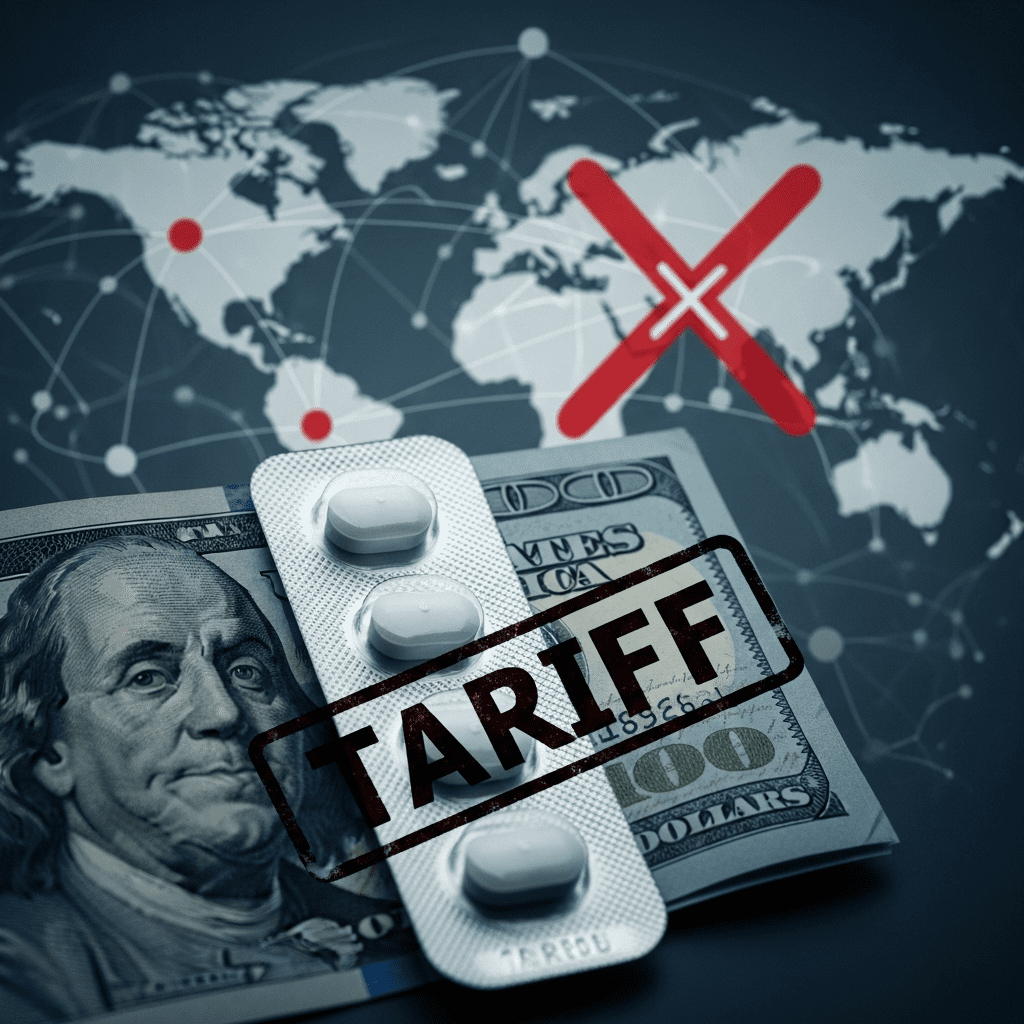
The US pharma price probe raises threat of new drug tariffs, sparking heightened scrutiny of pharmaceutical pricing and its potential economic ripple effects in 2025. With regulatory pressure mounting, investors and industry observers are closely watching the implications for drug costs, global supply chains, and biotech valuations.
US Pharma Price Probe Raises Threat of New Drug Tariffs: Economic Fallout
In the wake of ongoing congressional investigations, the focus has shifted squarely to the pricing practices of major pharmaceutical firms, both domestic and international. The US pharma price probe raises threat of new drug tariffs as lawmakers seek to address what they describe as “artificially inflated” prices for essential medications. This policy development has significant implications for healthcare costs, trade relations, and broader economic trends.
Officials at the Department of Commerce and the United States Trade Representative have signaled that, should investigations uncover predatory pricing or anti-competitive conduct by foreign manufacturers, tariffs on imported drugs could be introduced or raised as early as Q3 2025. Such measures, officials argue, would aim to restore competitiveness and protect domestic manufacturers from unfair practices.
Potential Impact on US Drug Prices and Healthcare Costs
Escalating trade tensions through new drug tariffs could reshape the pharma sector’s landscape. While intended to stabilize—or even reduce—pricing in the long run, tariffs typically drive up the cost of imported drugs, at least initially. According to recent data from the Kaiser Family Foundation, over 30% of prescription drugs consumed in the US are sourced from global supply chains, notably India, China, and the European Union.
Economists warn that drug tariffs could lead to immediate price increases for both consumers and insurers. Pharmaceutical benefit managers (PBMs) may face higher acquisition costs, which could be passed along the value chain, ultimately impacting end-users. Healthcare providers, meanwhile, could see squeezed margins and mounting pressure to find alternative suppliers or renegotiate existing contracts.
Investment and Market Implications
For investors seeking sector analysis, volatility in the pharmaceutical industry is likely to increase as uncertainty over tariffs—and their scope—remains. US-based biotech companies might see an uptick in demand if tariffs restrict imports, though global pharma giants with substantial US operations could face revenue headwinds. According to Morgan Stanley’s 2025 outlook, drug tariffs present “a dual-edged sword”: while they may support domestic producers, they risk triggering retaliatory measures from trade partners, further disrupting established market relationships.
Portfolio managers should closely monitor announcements from regulatory agencies and consider diversification strategies to mitigate exposure to pharma-related volatility. Exchange-traded funds (ETFs) that focus on US pharmaceutical and healthcare companies may see inflows as investors seek safer harbors amid uncertain global trade policies.
Global Supply Chain Disruptions and Policy Responses
Beyond Wall Street, the impact of new drug tariffs would likely reverberate through global supply chains. The US imports a significant share of generic drug ingredients and finished products, and any disruptions could complicate sourcing, quality assurance, and timely delivery. Experts point to the lessons learned during COVID-19-related shortages in 2020-2021, urging US policymakers to balance protectionist measures with the realities of globally interconnected supply chains.
Pharmaceutical industry groups—including PhRMA and the National Association of Chain Drug Stores—have voiced their concerns, highlighting the risk that tariffs could slow patient access to vital medications. In parallel, import-reliant healthcare providers are calling for clear guidance on anticipated tariff structures and timelines to minimize disruption.
Regulatory Uncertainty and the Road Ahead
The spotlight on the US pharma price probe raises threat of new drug tariffs as a crucial policy lever, but the regulatory outlook remains murky. Key issues to watch include the findings of the ongoing investigations, the scope of proposed tariffs, and potential carve-outs for critical medicines. Industry analysts emphasize that investors must remain agile, tracking policy developments while incorporating scenario-based modeling into portfolio strategies.
Additionally, US trade negotiators are in active discussions with counterparts from the European Union and major Asian exporters. With the Biden administration facing both domestic pressure to curb costs and diplomatic challenges overseas, the final contours of any tariff package remain open for negotiation.
What Should Investors Do Next?
For those seeking actionable investment insights, the best approach is to stay informed, monitor sector fund flows, and re-evaluate positions in multinational pharma companies with heavy US exposure. Defensive strategies, such as healthcare real estate or medical technology assets less dependent on global drug imports, may also offer resilience during periods of volatility.
As the US pharma price probe raises threat of new drug tariffs, vigilance will be essential—both on Main Street and Wall Street. All eyes will be on upcoming congressional hearings, agency statements, and any early signals from supply chain participants as the industry prepares for potential policy shifts in 2025 and beyond.