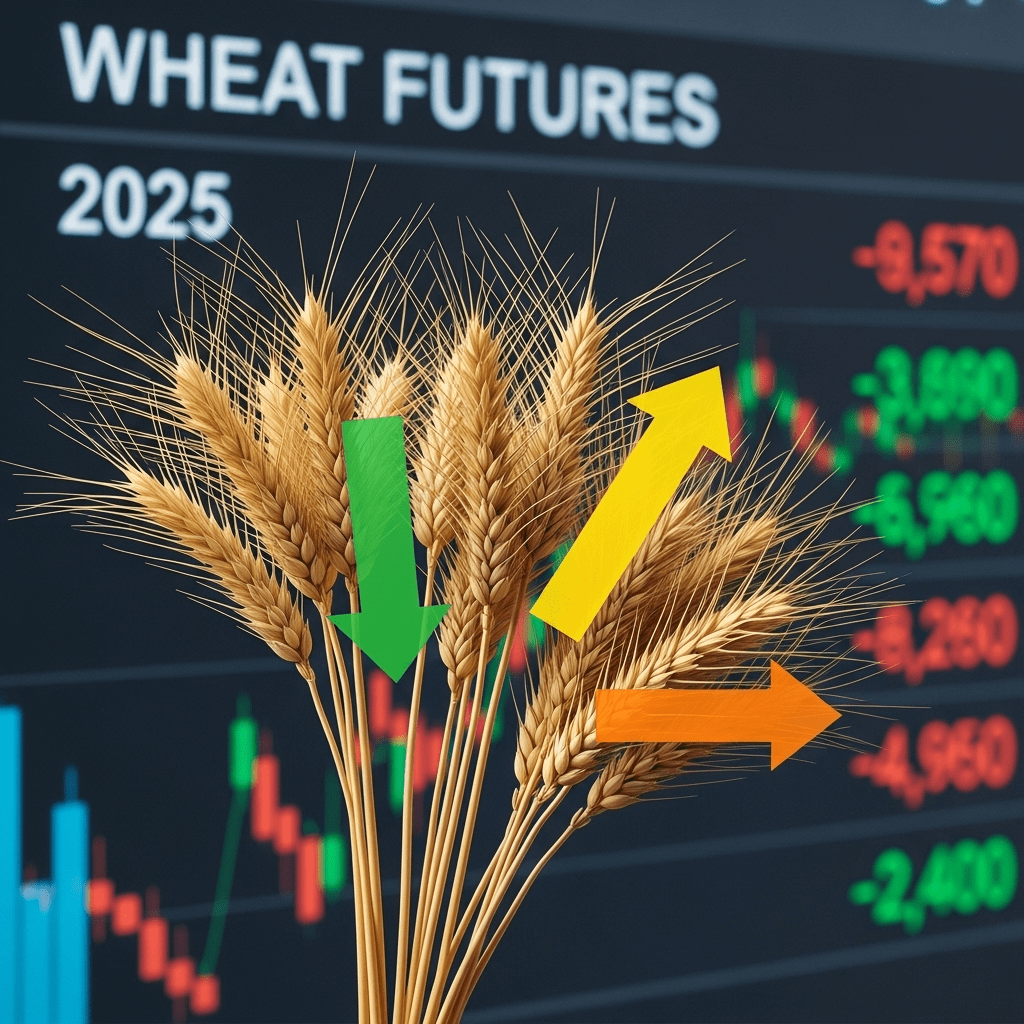
On today’s trading floor, wheat closes mixed as classes see some spreading—signaling divergent performance among key wheat varieties. Grain investors and traders are closely scrutinizing these developments in 2025, weighing weather impacts, global demand, and repositioning in the futures market as volatility picks up.
Wheat Closes Mixed as Classes See Some Spreading: Analyzing Today’s Volatility
Grain markets experienced notable turbulence as wheat closes mixed as classes see some spreading, a development that reflects nuanced positioning among hard red winter, soft red winter, and spring wheat contracts. The differential trading patterns emerged amid shifting fundamentals and active intra-market spreading strategies, with traders adjusting portfolios ahead of upcoming USDA reports and global crop updates.
Chicago Board of Trade (CBOT) soft red winter wheat futures showed modest gains, buoyed by short covering and steady export interest from North Africa and Southeast Asia. Meanwhile, Kansas City hard red winter wheat was mostly flat to slightly lower, pressured by improving crop conditions across the Southern Plains following recent rainfall, and a lackluster export outlook. Minneapolis spring wheat extended earlier losses, reacting to routine profit-taking and reports of favorable planting progress across the Northern Plains.
Key Drivers: Weather, Export Demand, and Spread Activity
The trend where wheat closes mixed as classes see some spreading is not new; however, its drivers in 2025 reflect evolving market dynamics. Weather continues to dominate sentiment. Recent rains have eased drought conditions in top U.S. wheat-producing states, but dryness persists in some export competitors. This variability has led to differing expectations in output between wheat classes, fueling inter-market spreads.
Export demand is also bifurcated. While soft red winter wheat enjoys ongoing Asian and Egyptian buying, hard red winter wheat faces stiffer competition from Russian and Australian supplies priced aggressively in world tenders. This export divergence feeds into spread strategies as traders position for relative weakness or strength among classes based on destination-specific demand.
Furthermore, as algorithmic and speculative funds rebalance exposure, the volume of spread trades—simultaneously buying one class and selling another—heightens intraday volatility. This creates opportunities for tactical investors but raises risk for unhedged positions, underscoring the importance of closely monitoring both cash and futures markets.
Global Context: Wheat Markets in 2025
The mixed close in wheat as classes see some spreading is set against a backdrop of changing international trade flows. In 2025, Ukraine’s production rebound and continued elevated Russian exports are key themes. Australian crop prospects have also strengthened, while dry conditions in sections of the European Union limit further downside in global prices. This mosaic of global conditions amplifies the need for U.S. wheat traders to differentiate between classes based on exportability and end-user preferences.
How Spread Trading Shapes Wheat Price Action
The increasing presence of spread trading—an activity whereby traders take offsetting positions in two or more wheat contracts—helps explain why wheat closes mixed as classes see some spreading in 2025. These trades can be prompted by changes in basis levels, quality premiums, and expectations for supply and demand. Traders anticipate that certain classes will outperform others due to either regional weather stories or abrupt shifts in export demand, causing different contracts to trade in opposite directions on the same day.
For example, a surge in protein premiums might prompt institutional traders to buy hard red spring wheat while selling soft red wheat contracts, on the expectation that demand for high-protein wheats will rise. Conversely, if mills and exporters pivot toward the ample supplies of soft red winter wheat, the spread may flip, dragging one contract lower and boosting the other. Understanding these mechanisms is critical for staying ahead in agricultural markets.
Implications for Grain Investors and Hedgers
For active participants, the reality that wheat closes mixed as classes see some spreading underlines the importance of sophisticated risk management. Farmers and merchandisers may use class-specific futures or options to better align hedges with their exposure, reducing basis risk. Proprietary and institutional investors are sharpening their use of fundamental and technical analytics, as well as algorithmic models, to identify profitable spreads amid fast-moving conditions.
Those seeking broader commodity diversification may assess multi-class wheat spreads as opportunities to capture relative value. Educational resources, such as those found in market analysis guides from established financial platforms, can offer timely insights on these strategies. For a deeper dive into related macro and commodity topics, ThinkInvest.org also provides a range of investment insights.
Outlook: What’s Next as Wheat Classes Diverge?
As the session closes with wheat mixed and classes showing spreading action, all eyes are turned toward the next round of USDA crop progress numbers, shifting global trade patterns, and real-time weather maps. The persistence of spread-driven volatility is likely to continue as traders digest evolving supply and demand data, making attention to market signals more essential than ever in 2025. For investors, actively managing exposure across wheat classes and leveraging the best analytics will be key to navigating this increasingly sophisticated and dynamic grain market.