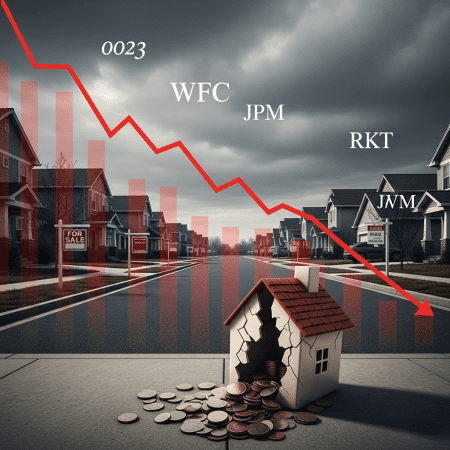
Amid global market uncertainty, a pressing question emerges: Will investors be flying blind without September CPI data? Economic indicators like the Consumer Price Index (CPI) are pivotal to investment strategies, risk assessment, and monetary policy judgments. The absence of this crucial data could leave investors vulnerable, heightening uncertainty as they attempt to anticipate the movements of central banks, especially the Federal Reserve.
Will Investors Be Flying Blind Without September CPI Data: The Critical Role of CPI
CPI data is an essential barometer for tracking inflation, which directly informs interest rate expectations, bond yields, and equity valuations. September’s CPI, often seen as the most influential snapshot before year-end, guides investors’ asset allocation decisions. Without this data, portfolio managers, analysts, and policy-makers must rely on alternative or lagging economic reports, increasing the risk of mispricing assets.
Why the September CPI Matters
September’s reading often comes at a pivotal time — just as the Federal Reserve considers monetary policy adjustments for the final quarter. A surprise in inflation metrics can ripple through equity, bond, and currency markets, forcing rapid portfolio rebalancing. Missing this month’s CPI means losing a key checkpoint, making it harder for investors to gauge the real-time direction of inflation and its impact on market trends.
Historical Precedents: Lessons from Data Gaps
While it’s rare for the government to delay or withhold such vital data, events like U.S. government shutdowns have briefly interrupted economic releases in the past. During these periods, market volatility often increased, as traders and investors attempted to interpret conflicting or incomplete signals from less robust sources. The phrase “will investors be flying blind without September CPI data” is not mere hyperbole; it expresses a genuine market concern based on past turbulence and uncertainty.
Alternative Indicators – Are They Enough?
In the absence of official CPI numbers, investors may turn to alternative indicators: producer price indexes, private inflation forecasts, or real-time price-tracking services. While these can offer directional clues, none match the influence or credibility of the CPI. Sizable hedge funds and trading desks often rely on proprietary models, but these are less accessible and less transparent for average investors, further fragmenting the decision-making process.
Market Reaction: Navigating Uncertainty When Flying Blind
Markets do not operate in a vacuum, and any gap in critical data like the September CPI can cause heightened volatility. Without a clear snapshot of inflation, consensus breaks down: some analysts may call for tightening, while others predict policy easing. The absence of clarity can spur defensive moves across asset classes, with increased preference for cash or safe-haven assets, as investors try to minimize exposure to uncertainty.
Policy Makers and Central Banks in the Dark
Without September CPI data, the Federal Reserve and other central banks must weigh old, incomplete, or substitute figures at a critical juncture. This additional layer of uncertainty may result in more cautious or data-agnostic policy statements, which could disappoint investors searching for directional cues about future rate changes. Ultimately, it underscores just how reliant financial markets are on timely, reliable statistics.
Navigating the Risks: Strategies for Investors in 2025
Until the data returns, prudent investors may benefit from wider diversification, tighter stop-loss orders, and a greater emphasis on risk management. Remaining alert to volatility spikes and using a blend of market signals can help preserve capital. In the absence of September CPI, seasoned professionals advocate for patience; rash decisions made in an information void seldom pay off over the long run.
In conclusion, the question, “Will investors be flying blind without September CPI data?” is more than academic—it directly addresses the potential headwinds facing investors in 2025. Staying flexible, focused on the big picture, and leveraging robust risk controls will help investors weather temporary data blackouts—until clarity returns to the economic landscape.