






The technology sector continues its unstoppable march into artificial intelligence, and according to Citi’s latest research, Big Tech’s AI Spending—and Borrowing—Will Be Even Higher Next Year, Says Citi. This projection signals that we could see another record-breaking year in 2025, as giants like Microsoft, Google, Amazon, and Meta step up their investment and financing activities. What does this mean for investors, the tech landscape, and the broader financial market? Let’s break down the latest insights and forecast the trends shaping the future.
Big Tech’s AI Spending—and Borrowing—Will Be Even Higher Next Year, Says Citi: The Outlook for 2025
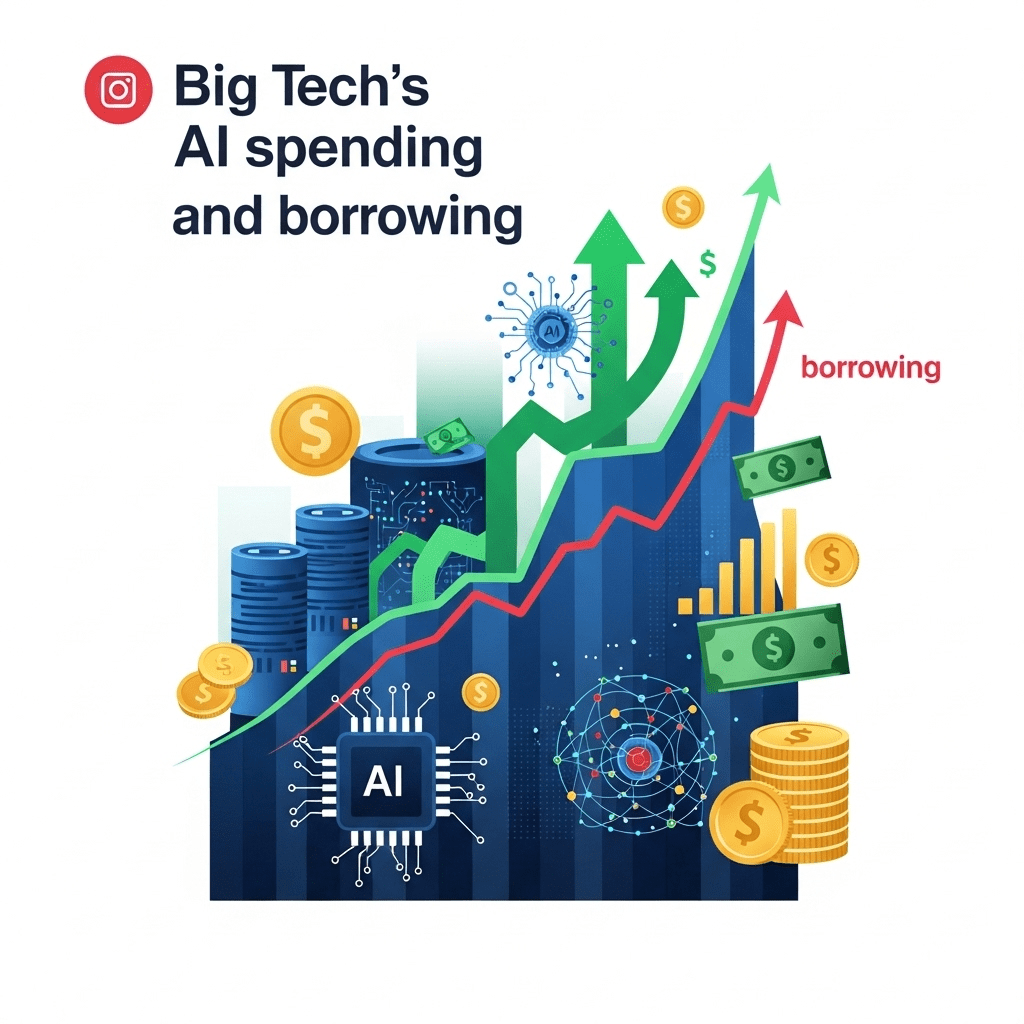
In its recent outlook, Citi analysts underscore that the world’s foremost technology companies are set to outpace 2024’s eye-watering AI budgets. This isn’t just about more chips and datacenters—AI infrastructure now serves as the backbone for everything from generative search to next-generation cloud solutions. Citi predicts the overarching theme for 2025 will be not only bolder AI bets but also a marked increase in corporate borrowing by Big Tech firms to fund these ambitious projects.
The Drivers: Why AI Spending is Accelerating
Several factors are fueling the surge in AI investment:
- Breakthroughs in Generative AI: The rapid advancement of large language models and generative AI tools is shifting strategic priorities for Big Tech. The race is on to outpace competitors and lead in monetizable AI services.
- Demand for Compute Power: Building, training, and deploying advanced models require enormous compute resources. This means record orders for GPUs and increased data center expansion globally.
- Enterprise Adoption: Corporate customers are driving demand for AI-ready cloud infrastructure and new software solutions, putting pressure on providers to stay ahead with cutting-edge capabilities.
The Financial Angle: Why Borrowing Is Set to Climb in 2025
One of the most intriguing takeaways from Citi’s report is the expected rise in debt financing among Big Tech firms next year. Even cash-rich companies are leveraging cheap borrowing rates to accelerate AI infrastructure investments. This strategy allows them to maintain operational flexibility and respond quickly to competitive pressures.
For instance, Microsoft, Google’s parent Alphabet, and Amazon have issued significant bond offerings in recent quarters—much of it earmarked for cloud infrastructure, semiconductor partnerships, and energy deals to fuel new AI workloads. According to Citi, this borrowing trend is poised to intensify as tech giants find themselves racing not just for innovation, but for physical capacity and scale. As such, investors keeping a close watch on market trends will note that debt markets and capital expenditures remain core themes heading into 2025.
How Big Is the AI Bet?
Citi estimates that AI-related capital expenditures could exceed $200 billion among the top five U.S. tech giants alone in 2025. This includes everything from GPU procurement and chipset partnerships to data center expansions across North America, Europe, and Asia-Pacific. As competition for AI talent and hardware intensifies, Big Tech’s willingness to borrow further underlines their commitment to leading the new digital economy.
Key Implications for Investors and Financial Markets
What does Citi’s forecast mean for investors and the broader financial sector?
- Stock Market Volatility: Tech stocks with significant AI exposure will remain market movers. Higher capital expenditures could weigh on short-term margins but potentially seed long-term growth.
- Opportunities in Debt Markets: As Big Tech turns more to corporate bonds, fixed-income investors can expect increased supply and potentially attractive yields from some of the world’s most creditworthy firms.
- AI Infrastructure Vendors Benefit: Providers of cloud infrastructure, chips, and data center equipment may see continued tailwinds as Big Tech’s AI arms race drives purchase orders to new highs.
For those seeking to understand and invest in these shifts, resources like financial research platforms provide valuable insights and analysis.
Strategic Risks and Considerations
While the upsurge in AI spending is exciting, investors and market watchers should weigh a few risks:
- Execution Risk: As investments grow, the margin for error narrows. Delays in bringing new AI-driven products to market could impact expected returns.
- Regulatory Hurdles: With higher visibility comes greater scrutiny. Globally, antitrust and AI-specific regulations could introduce headwinds for the biggest players.
- Interest Rate Sensitivity: If macroeconomic conditions drive up borrowing costs, tech companies’ reliance on debt to fund AI expansion may eat into profits.
What To Watch: The 2025 AI Investment Landscape
Looking ahead, the competitive landscape will likely favor companies with the deepest pockets and the ability to manage both liquidity and debt strategically. Citi’s assessment—Big Tech’s AI Spending—and Borrowing—Will Be Even Higher Next Year, Says Citi—reminds the market that the AI revolution is as much a financial race as it is a technological leap.
As 2025 approaches, keep an eye on quarterly earnings, capital expenditure guidance, and bond issuance announcements. Expect AI spend to be a headline topic as Big Tech balances short-term financial metrics with long-term vision in AI-driven growth.
Conclusion: Staying Ahead in the AI Investment Surge
The message for 2025 is clear: The surge in Big Tech’s AI investment is just beginning, and the willingness to borrow for future-focused infrastructure signals exceptional confidence and urgency. Citi’s insights into this dynamic highlight the opportunities and challenges ahead in the evolving tech-finance landscape.
For comprehensive coverage and the latest analysis on financial news and AI investment trends, bookmark trusted sources like ThinkInvest.





