
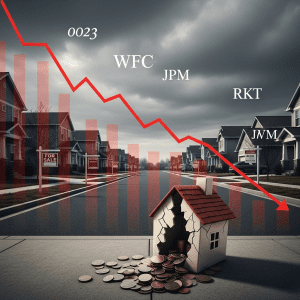







The finance world is closely following the hidden risks in private credit’s $3trn boom, but the story often focuses on returns rather than potential hazards. As private credit carves a permanent place in global investment portfolios, the risks lurking beneath the surface have multiplied, evolving with markets and regulatory shifts. For investors and policymakers in 2025, understanding these risks is crucial to safeguarding portfolios and the stability of financial systems.
Unpacking the Hidden Risks in Private Credit’s $3trn Boom
“Private credit” refers to non-bank lending, typically by investment funds, to companies and projects that may not qualify for traditional bank loans. Over the past decade, easy monetary policy, tighter bank regulations, and the hunt for yield drove explosive growth in this market, swelling assets under management to an estimated $3 trillion by 2025. However, the unprecedented rise hides major risks that could undermine both individual investments and systemic financial stability. Let’s break down some of the most critical challenges.
1. Opacity and Lack of Transparency
Unlike public markets, private credit transactions are rarely disclosed. Investors often have limited visibility into deal terms, credit quality, or even the valuation methodologies used. This opacity makes it difficult to accurately assess the risk profile of underlying loans or funds.
Financial regulators likewise grapple with insufficient data, making it challenging to monitor systemic exposures or predict how stresses in private credit might ripple through the broader financial system. As responsible investing gains prominence, calls for greater transparency are growing louder.
2. Illiquidity Concerns
Private credit instruments are typically illiquid, with long lock-up periods that restrict investors’ ability to exit positions quickly. In normal markets, this may be manageable—even a benefit, since it commands higher returns. But in times of economic or credit stress, illiquidity can lead to steep markdowns or “fire sales,” trapping investors and exacerbating losses.
3. Covenant-Lite Lending: A Double-Edged Sword
As competition among lenders intensified, the prevalence of “covenant-lite” structures soared. These loans lack many of the lender protections standard in traditional credit agreements. While borrowers benefit from more flexibility, investors face higher risks of value erosion in the event of financial distress. When markets sour, weak covenants can leave lenders with limited recourse, creating potential clusters of default risk.
Macroeconomic Shifts Add Pressure
Interest rate volatility and changing economic conditions can turn manageable credit risks into severe liabilities. Recent cycles of rate tightening have exposed highly leveraged borrowers who optimized for the low-rate era. If economic growth lags or recessions hit, companies may struggle to service debts, and private lenders could see rising defaults.
Moreover, in a higher-for-longer rate environment—as many expect in 2025—the refinancing of maturing private credit deals could become problematic, especially for sectors facing persistent headwinds or cyclical downturns. Investors need to closely scrutinize portfolio exposures to vulnerable sectors and cyclical borrowers.
Systemic Concerns: Could Private Credit Fuel the Next Crisis?
The rapid expansion of private credit—largely outside the domain of traditional banking regulation—raises systemic red flags. Asset managers could face liquidity mismatches if they promise redemption windows to investors without access to equally liquid assets. In a stress scenario, “runs” on private credit funds could amplify shocks across financial markets.
This risk echoes concerns from policymakers, including calls from global regulators to increase oversight and require fund managers to better align liquidity terms with underlying asset profiles. As the role of private capital in financial intermediation grows, so too does the importance of sound risk management and regulation.
3. Valuation Uncertainties and Mark-to-Market Dangers
Without widely-accepted market price references, many private credit assets are valued using internal models and assumptions. This process can mask deteriorating credit quality or shifts in risk, leading to surprises when assets eventually reprice or are sold. During a downturn, these “mark-to-model” values may quickly collapse, hitting fund performance and investor trust hard.
Navigating the Hidden Dangers: What Should Investors Do?
With hidden risks in private credit’s $3trn boom so prevalent, what practical steps should prudent investors consider?
- Due Diligence Is Essential: Scrutinize the transparency, underwriting standards, and historical default experience of each fund or platform. Understand exactly how assets are valued and how performance is measured.
- Liquidity Management: Be realistic about redemption policies and the illiquidity profile of investments. Avoid overexposure to highly illiquid segments, particularly those with untested exit strategies.
- Sector and Geographic Diversification: Spread risk across sectors and geographies to help insulate the portfolio from concentration shocks.
- Monitor Fund Leverage: Leverage can amplify gains—but also losses and liquidity risks. Examine how much leverage is being used at both fund and borrower levels.
- Engage with Managers: Inquire about how scenario analysis, stress testing, and risk management frameworks are conducted.
Conclusion: Vigilance in the Age of Private Credit
The hidden risks in private credit’s $3trn boom should not be underestimated. As the asset class matures and expands, investors must match enthusiasm with caution, prioritizing transparency, liquidity, and robust risk assessment. By adopting disciplined due diligence, engaging with experienced managers, and remaining alert to changing market conditions, investors can seize private credit’s opportunities without falling victim to its pitfalls.
For more insights on financial trends and risk management, visit our financial news resource.





